Expensive tea can be beautiful, but most people do not need rare collector tea for daily drinking.
For beginners, the better question is simpler: which teas are affordable, reliable, easy to brew, and interesting enough to drink again tomorrow?
This guide focuses on five everyday Chinese teas that offer strong value for new tea drinkers:
| Tea | Type | Why It Is Beginner-Friendly |
|---|---|---|
| Anji Bai Cha | Green tea | Fresh, sweet, low bitterness |
| Fengqing Dianhong | Black tea | Malty, honey-like, forgiving to brew |
| Phoenix Dancong Mi Lan Xiang | Oolong tea | Highly aromatic and memorable |
| Guangxi Liu Bao | Dark tea | Smooth, earthy, good after meals |
| Fuding Shou Mei | White tea | Gentle, sweet, easy to steep or boil |
The goal is not to find the most famous tea. The goal is to build a practical “daily tea shelf” that you can afford, understand, and enjoy.
What Makes a Good Everyday Tea?
An everyday tea should meet three standards.
| Standard | What It Means |
|---|---|
| Affordable enough to drink often | You should not feel nervous every time you brew it |
| Stable enough for repeated brewing | It should not become harsh after one careless steep |
| Clear enough in flavor | You should be able to remember what makes it different |
For beginners, I recommend avoiding three traps.
| Avoid | Why |
|---|---|
| Overpriced gift packaging | Boxes, tins, and luxury wrapping often raise the price without improving the tea |
| Unverifiable origin stories | Claims like “ancient tree,” “master handmade,” or “royal tribute” need evidence |
| Extremely cheap “famous tea” | If a famous origin tea is far below the normal market range, check harvest year, origin, and seller reliability |
This does not mean all affordable tea is bad. It means the best everyday tea is usually not the cheapest tea and not the fanciest tea. It sits in the middle: honest material, clear origin, simple packaging, and a taste you want to repeat.
How to Judge Value Before You Buy
Before buying a tea, check these five details.
| What to Check | Why It Matters |
|---|---|
| Tea type | Green, black, oolong, white, and dark teas age and brew differently |
| Origin | Some names are linked to specific regions or geographical indications |
| Harvest year | Especially important for green tea and fresh white tea |
| Leaf appearance | Broken leaves and excessive dust often brew harsher |
| Seller information | Look for origin, harvest date, storage notes, and brewing instructions |
Geographical indications can matter for tea because they connect a product name with a specific place and production reputation. WIPO explains that a geographical indication identifies goods whose qualities or reputation are linked to their place of origin.[1] This is useful when buying teas such as Anji Bai Cha, Longjing, Liu Bao, or Fuding white tea, but it is still not a guarantee that every package is excellent.
A good tea name helps you know what to expect. Your own taste still decides whether it is worth buying again.
Price Guidance for Everyday Tea
Tea prices vary by country, vendor, harvest year, grade, packaging, and shipping cost. The ranges below are practical reference points for Chinese domestic-style daily tea, not fixed global prices.
| Tea | Everyday Quality Range | Notes |
|---|---|---|
| Anji Bai Cha | Medium to medium-high | Fresh spring tea costs more; avoid suspiciously cheap “Anji-style” tea |
| Fengqing Dianhong | Low to medium | Good daily Dianhong can be very affordable |
| Phoenix Dancong Mi Lan Xiang | Medium | Very cheap Dancong may taste thin, harsh, or artificially perfumed |
| Liu Bao | Low to medium | Older tea costs more, but beginners do not need very old Liu Bao |
| Fuding Shou Mei | Low to medium | A few years of clean storage can offer good value |
A useful buying habit is to order small samples first. Spend less money tasting several teas before committing to a full bag or cake.
Pick 1: Anji Bai Cha
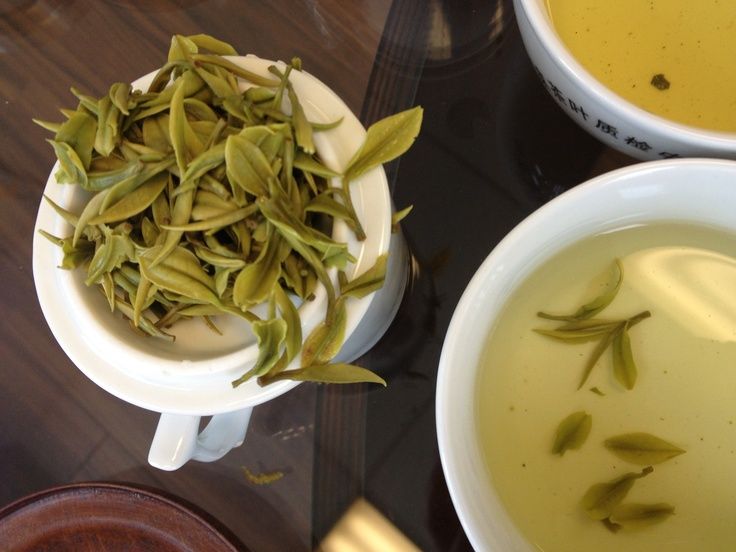
Anji Bai Cha is confusing because the name means “Anji white tea,” but it is commonly sold and brewed as a green tea. It is associated with Anji County in Zhejiang Province and is known for pale young leaves during part of its growth cycle.
Why Beginners Like It
Anji Bai Cha is often soft, fresh, and sweet compared with many stronger green teas. Research on Anji Baicha and other albino tea cultivars has examined differences in amino acids, sugars, catechins, and pigments, which helps explain why many drinkers experience this style as especially fresh or umami-leaning.[2]
| Feature | What to Expect |
|---|---|
| Tea type | Green tea |
| Common flavor notes | Fresh grass, sweet corn, light orchid, soft umami |
| Bitterness level | Usually low when brewed correctly |
| Best for | Beginners who think green tea is always bitter |
Buying Tips
Look for tea clearly labeled as Anji Bai Cha from Anji, Zhejiang. Be careful with vague listings such as “white leaf green tea” or “Anji style” if you specifically want origin-linked Anji tea.
Do not chase the most expensive early spring grade at first. A mid-range tea is usually enough to understand the style.
Brewing Method
| Parameter | Recommendation |
|---|---|
| Vessel | Glass cup or small teapot |
| Water temperature | 75-85°C / 167-185°F |
| Tea-to-water ratio | About 3 g tea to 200 ml water |
| Steeping time | 1-2 minutes for cup brewing |
Avoid boiling water. If the tea tastes bitter, lower the temperature or use less leaf.
Pick 2: Fengqing Dianhong Black Tea
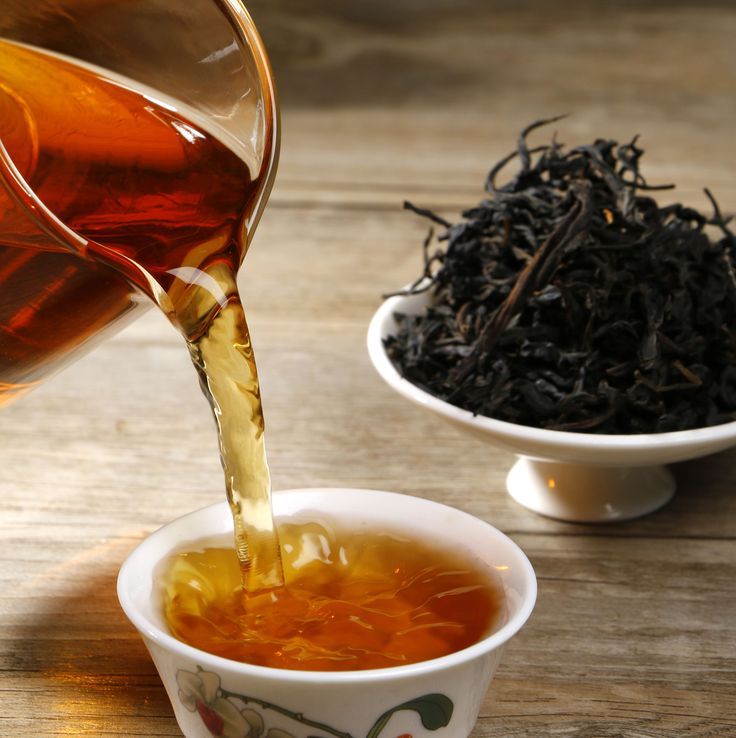
Dianhong is Yunnan black tea. Fengqing County is one of the classic production areas, and Dianhong is one of the best-value black teas for beginners because it is flavorful, forgiving, and often affordable.
Why Beginners Like It
Dianhong usually has more body than delicate green tea. It can taste sweet, malty, honey-like, or similar to baked sweet potato. It also tolerates hotter water better than green tea.
| Feature | What to Expect |
|---|---|
| Tea type | Black tea |
| Common flavor notes | Honey, malt, sweet potato, dried fruit |
| Bitterness level | Low to medium |
| Best for | People who want a warm, sweet, easy daily tea |
Black tea behaves differently from green tea because oxidation and brewing conditions change the extraction of tea compounds. Studies on black tea brewing show that steeping time affects phytochemical extraction and antioxidant activity.[3]
Buying Tips
For daily drinking, you do not need the most golden, bud-heavy Dianhong. A balanced leaf grade with some golden tips and some darker leaves often gives better value.
Be cautious if the leaves feel sticky or smell unusually candy-like. That can indicate added flavoring or poor storage, though stickiness alone is not proof.
Brewing Method
| Parameter | Recommendation |
|---|---|
| Vessel | Gaiwan, teapot, or infuser mug |
| Water temperature | 90-95°C / 194-203°F |
| Tea-to-water ratio | 3-4 g tea to 150-200 ml water |
| Steeping time | 1-3 minutes for Western brewing, 8-15 seconds for gongfu brewing |
If it tastes sour or dry, shorten the steep.
Pick 3: Phoenix Dancong Mi Lan Xiang Oolong
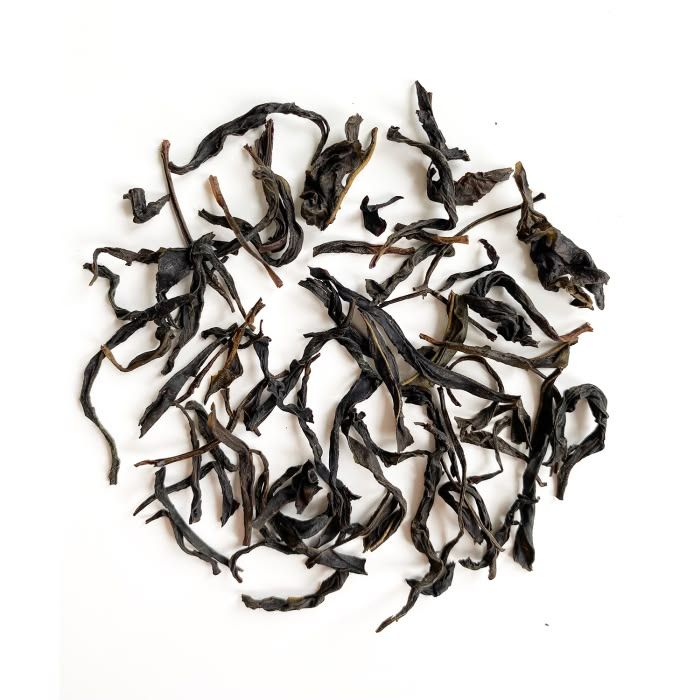
Phoenix Dancong is a famous oolong from Guangdong. It is loved for its expressive aroma. Mi Lan Xiang, often translated as “Honey Orchid fragrance,” is one of the most approachable styles for beginners because it is aromatic, sweet, and easy to remember.
Why Beginners Like It
Phoenix Dancong can show floral, fruity, honey-like, and woody notes. Research on Fenghuang Dancong tea has identified many aroma substances across its main types, helping explain why this tea family can feel so fragrant and distinctive.[4]
| Feature | What to Expect |
|---|---|
| Tea type | Oolong tea |
| Common flavor notes | Honey, orchid, peach, citrus peel, warm wood |
| Bitterness level | Medium if over-brewed |
| Best for | Drinkers who want strong aroma and layered flavor |
Dancong can be intense. It rewards careful brewing but can become sharp if steeped too long.
Buying Tips
For your first Dancong, avoid both extremes. Very cheap Dancong may taste rough, while very expensive single-bush tea is unnecessary for learning.
Look for clear naming such as “Phoenix Dancong Mi Lan Xiang,” harvest year, roast level, and origin information. If the aroma smells like perfume rather than tea, be cautious.
Brewing Method
| Parameter | Recommendation |
|---|---|
| Vessel | Small gaiwan or small teapot |
| Water temperature | 95-100°C / 203-212°F |
| Tea-to-water ratio | 5-7 g tea to 100 ml water |
| First steeps | 5-10 seconds |
| Later steeps | Add 5-10 seconds each round |
Use quick steeps at first. Dancong often gives better results with more leaf and shorter infusions rather than long soaking.
Pick 4: Guangxi Liu Bao Dark Tea
Liu Bao is a dark tea from Guangxi, especially associated with Wuzhou. It is often earthy, smooth, and mellow. For beginners who enjoy ripe pu-erh but want something slightly different, Liu Bao is a good everyday choice.
Why Beginners Like It
A Xinhua article carried by the State Council Information Office describes Liubao tea as a Chinese dark tea with a strong, lingering fragrance and a history of more than 1,500 years.
| Feature | What to Expect |
|---|---|
| Tea type | Dark tea |
| Common flavor notes | Earth, wood, dried date, cellar, old books |
| Bitterness level | Usually low |
| Best for | After-meal drinking and people who like smooth dark tea |
This does not mean Liu Bao should be treated as medicine. In a buying guide, it is better to describe flavor and drinking context rather than make health claims.
Buying Tips
You do not need very old Liu Bao as a beginner. A clean, modern-process Liu Bao with a few years of storage is enough.
Avoid tea with obvious sour, moldy, or rotten smells. Earthy is normal. Musty and unpleasant is not.
Brewing Method
| Parameter | Recommendation |
|---|---|
| Vessel | Teapot, thermos, or boiling pot |
| Water temperature | 95-100°C / 203-212°F |
| Tea-to-water ratio | 5 g tea to 300-500 ml water for casual brewing |
| Steeping style | Long steep, thermos steep, or short gongfu steeps |
Liu Bao is one of the easiest teas for office brewing. It can handle a thermos better than delicate green tea.
Pick 5: Fuding Shou Mei White Tea
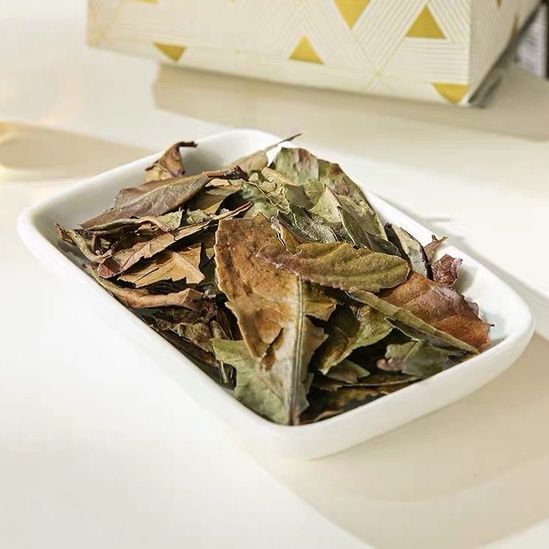
Shou Mei is a leafier grade of white tea. It is usually more affordable than Silver Needle or White Peony, and it can be excellent for daily drinking. A few years of clean storage can make Shou Mei rounder and sweeter.
Why Beginners Like It
White tea is often processed with minimal handling compared with many other tea types. Studies on Fuding white tea infusions have examined compounds such as catechins, caffeine, theanine, free amino acids, and water extracts across different white tea types.[5] These compounds all influence taste, body, and perceived freshness.
| Feature | What to Expect |
|---|---|
| Tea type | White tea |
| Common flavor notes | Hay, honey, dried herbs, jujube, lotus leaf |
| Bitterness level | Low when brewed gently |
| Best for | Gentle daily drinking and long steeps |
About the Saying “One-Year Tea, Three-Year Medicine, Seven-Year Treasure”
This saying is common in Chinese white tea culture, but it should be treated as a cultural expression, not a medical claim. Aging can change aroma and flavor, but tea should not be presented as a cure or substitute for medical care.
For an AdSense-friendly article, it is better to say: aged Shou Mei can become sweeter, smoother, and deeper when stored well.
Buying Tips
If you buy aged white tea, check whether the tea looks naturally aged. Extremely dark, hard, lifeless leaves may suggest poor storage or artificial aging.
For beginners, a moderately aged Shou Mei is often a better starting point than expensive old white tea cakes.
Brewing Method
| Parameter | Recommendation |
|---|---|
| Vessel | Gaiwan, teapot, thermos, or boiling pot |
| Water temperature | 90-100°C / 194-212°F |
| Tea-to-water ratio | 4-5 g tea to 150 ml water for gaiwan brewing |
| Casual method | 3-5 g tea in a large mug or thermos |
Shou Mei can be brewed casually. It is one of the least intimidating teas for daily use.
How to Build Your Own Everyday Tea Shelf
A good daily tea shelf does not need twenty teas. Five is enough.
| Situation | Best Tea From This Guide |
|---|---|
| Morning clarity | Anji Bai Cha or Dianhong |
| Afternoon fatigue | Phoenix Dancong |
| After a heavy meal | Liu Bao |
| Gentle evening cup | Shou Mei |
| Cold weather | Dianhong or Liu Bao |
| Warm weather | Anji Bai Cha or lighter Shou Mei |
If you want a simple rotation, use this seasonal plan.
| Season | Good Choices |
|---|---|
| Spring | Anji Bai Cha, fresh white tea |
| Summer | Green tea, light white tea |
| Autumn | Phoenix Dancong, Dianhong |
| Winter | Liu Bao, Dianhong, aged Shou Mei |
How to Save Money When Buying Tea
Buy Samples First
Many tea vendors sell small sample packs. This is the best way to avoid wasting money. Try several teas before buying 100 g, 250 g, or a full cake.
Avoid Gift Boxes
Gift packaging can be beautiful, but it often adds cost. For daily drinking, simple sealed bags or tins are enough.
Learn One Tea at a Time
Do not buy ten famous teas at once. Start with one category and compare two or three examples.
| If You Want to Learn | Compare |
|---|---|
| Green tea | Anji Bai Cha vs Longjing |
| Black tea | Dianhong vs Keemun |
| Oolong tea | Mi Lan Xiang vs Tie Guan Yin |
| White tea | Shou Mei vs White Peony |
| Dark tea | Liu Bao vs ripe pu-erh |
Read Bad Reviews Too
Good reviews tell you what people like. Bad reviews tell you what can go wrong: weak aroma, broken leaves, poor packaging, old harvest, or misleading photos.
Check Storage Notes
Tea absorbs odor easily. Avoid sellers who cannot explain how the tea is stored. This matters especially for green tea, oolong, white tea, and aged tea.
A Note on Classical Tea Culture
Chinese tea culture has always included a practical side.
Lu Yu’s The Classic of Tea is often described as the earliest known monograph on tea and tea culture.[6] For a modern buyer, that historical background is useful, but it should not be used as proof that a specific product is high quality.
The Song dynasty text Da Guan Cha Lun also contains a section on “white tea.”[7] However, historical “white tea” in Song sources should not be treated as exactly the same product as modern Fuding white tea. Classical references are valuable cultural context, but they should not be used carelessly as marketing proof.
UNESCO’s listing of China’s traditional tea processing techniques recognizes six broad tea categories: green, yellow, dark, white, oolong, and black teas.[8] This helps support a more grounded way to understand tea: by processing method, not just by price, legend, or packaging.
Final Buying Advice
If you are new to Chinese tea, start with these five:
| Start With | Choose This Tea |
|---|---|
| Fresh and sweet | Anji Bai Cha |
| Warm and easy | Fengqing Dianhong |
| Aromatic and exciting | Phoenix Dancong Mi Lan Xiang |
| Smooth and dark | Liu Bao |
| Gentle and forgiving | Fuding Shou Mei |
The best everyday tea is not the rarest tea. It is the one you can afford, brew confidently, and enjoy repeatedly.
Drink with your tongue, not with the label. If the tea makes you want a second cup, it has already done its job.
References
- World Intellectual Property Organization. Frequently Asked Questions: Geographical Indications.
- Ma C-L, Chen L, Wang X-C, Jin J-Q, Ma J-Q, Yao M-Z, Wang Z-L. Differential expression analysis of different albescent stages of 'Anji Baicha' (Camellia sinensis (L.) O. Kuntze) using cDNA microarray.
- Fernando CD, Soysa P. Extraction Kinetics of phytochemicals and antioxidant activity during black tea (Camellia sinensis L.) brewing.
- Qin D, Wang Q, Li H, Jiang X, Fang K, Wang Q, Li B, Pan C, Wu H. Identification and similarity analysis of aroma substances in main types of Fenghuang Dancong tea.
- Zhang L, Li N, Ma ZZ, Tu PF. Comparison of the main compounds in Fuding white tea infusions from various tea types.
- Chinese Text Project. The Classic of Tea (茶經).
- Chinese Text Project. Da Guan Cha Lun (大觀茶論).
- UNESCO Intangible Cultural Heritage. Traditional tea processing techniques and associated social practices in China.