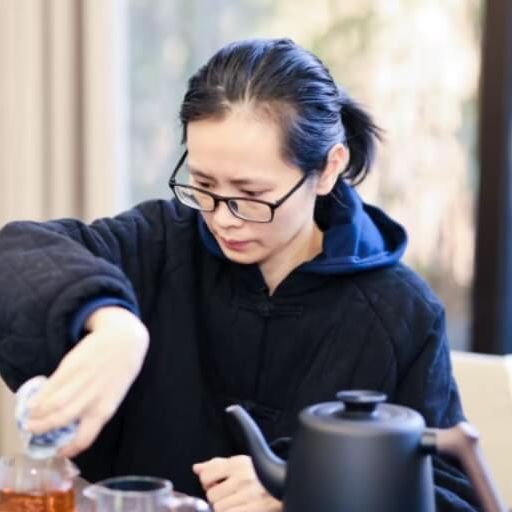
Gongfu tea is not martial arts tea.
For English readers, it is easiest to understand it as skillful tea brewing: a Chinese way of making tea with a higher leaf-to-water ratio, a small brewing vessel, and several short infusions that let the tea change from cup to cup.
It is both a cultural practice and a practical brewing method. Modern research and tea heritage records show that gongfu tea is both an everyday practice and a cultural expression, while classical Chinese tea writing has long treated water, utensils, and preparation as part of the tea experience.[1][2][8]
Gongfu Tea in One Minute
| Question | Short Answer |
|---|---|
| What is gongfu tea? | A skill-based Chinese brewing style using more leaf, less water, and short infusions |
| What teas work best? | Oolong, pu-erh, black tea, and some white teas |
| Do I need special equipment? | No, but a gaiwan or small teapot helps |
| Is it hard? | Not once you learn the sequence |
| Is it a ceremony? | Sometimes, but it is also just a daily brewing method |
Why Gongfu Tea Exists
Gongfu tea developed as a way to taste tea more precisely.
Chinese tea preparation has changed across history, from earlier boiling practices described in classical tea writing to later loose-leaf brewing traditions. Gongfu tea belongs to this later brewing tradition, where attention to vessel, timing, and repetition matters.
A study of gongfu tea practice in Chaoshan, Guangdong describes it as repeated brewing in small pots and small cups, with close attention to detail.[1] That is the core idea behind the style.
What You Actually Need
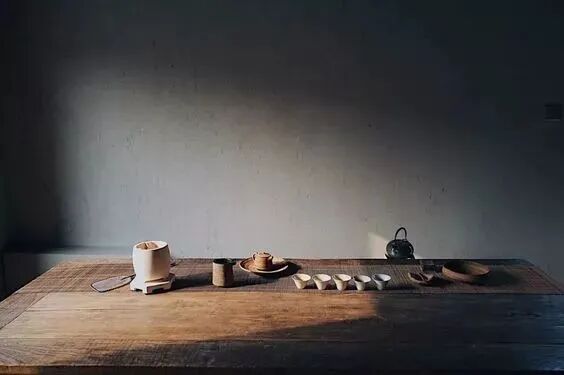
You do not need a museum-level tea set to start.
| Item | What It Does | Beginner Note |
|---|---|---|
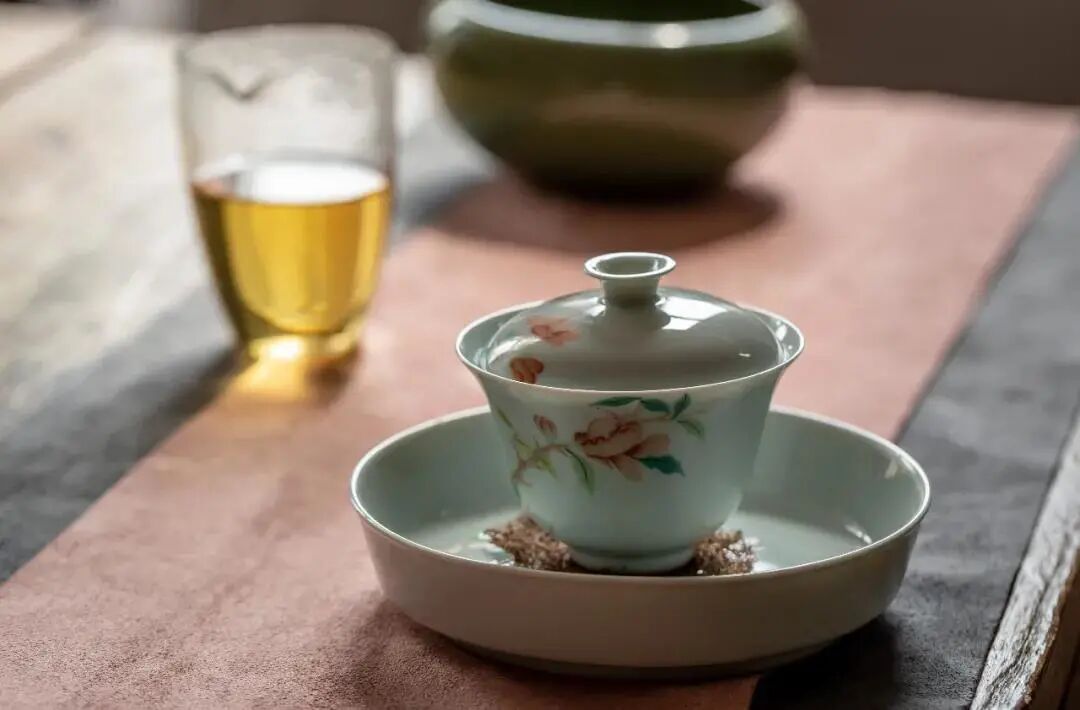
| Gaiwan | A lidded bowl used to brew and pour tea | Best all-purpose beginner vessel |
| Small teapot | A compact teapot for short infusions | Good for oolong and pu-erh |
| Fairness cup / gongdao bei | Evenly distributes tea into cups | Helps each cup taste the same |
| Small tasting cups | Used for drinking | Keep them simple and easy to handle |
| Kettle | Heats water | A temperature-controlled kettle is ideal |
| Tea tray | Catches spills | Helpful, not mandatory |
| Tea scoop or tongs | Keeps hands from touching leaves | Clean and practical |
| Tea scale | Measures leaf weight | Very useful for consistency |
Best First Choice
If you only buy one brewing vessel, choose a porcelain gaiwan.
Why?
- It is neutral.
- It is easy to clean.
- It lets you see the tea liquor.
- It works well for most beginner-level gongfu brewing.
Research on tea vessels shows that vessel shape and design can influence how tea aroma and taste are perceived.[3] That does not mean one vessel is magic. It means the cup and pot are part of the experience.
The Basic Gongfu Formula
| Tea Type | Leaf Amount | Water Amount | Water Temperature | First Steep |
|---|---|---|---|---|
| Light oolong | 5-6 g | 100 ml | 95-100°C / 203-212°F | 5-10 sec |
| Roasted oolong | 6-7 g | 100 ml | 95-100°C / 203-212°F | 5-10 sec |
| Ripe pu-erh | 5-7 g | 100 ml | 95-100°C / 203-212°F | 8-15 sec |
| Raw pu-erh | 5-6 g | 100 ml | 90-95°C / 194-203°F | 5-10 sec |
| Black tea | 4-5 g | 100 ml | 90-95°C / 194-203°F | 8-15 sec |
| White tea | 4-5 g | 100 ml | 90-95°C / 194-203°F | 10-20 sec |
This is a starting point, not a law. Different teas and different vessels may need small adjustments. Brewing studies show that water composition, brewing water type, infusion time, and repeated brewing rounds can noticeably change sensory quality and extracted compounds in tea.[4][5][6][7]
Step by Step
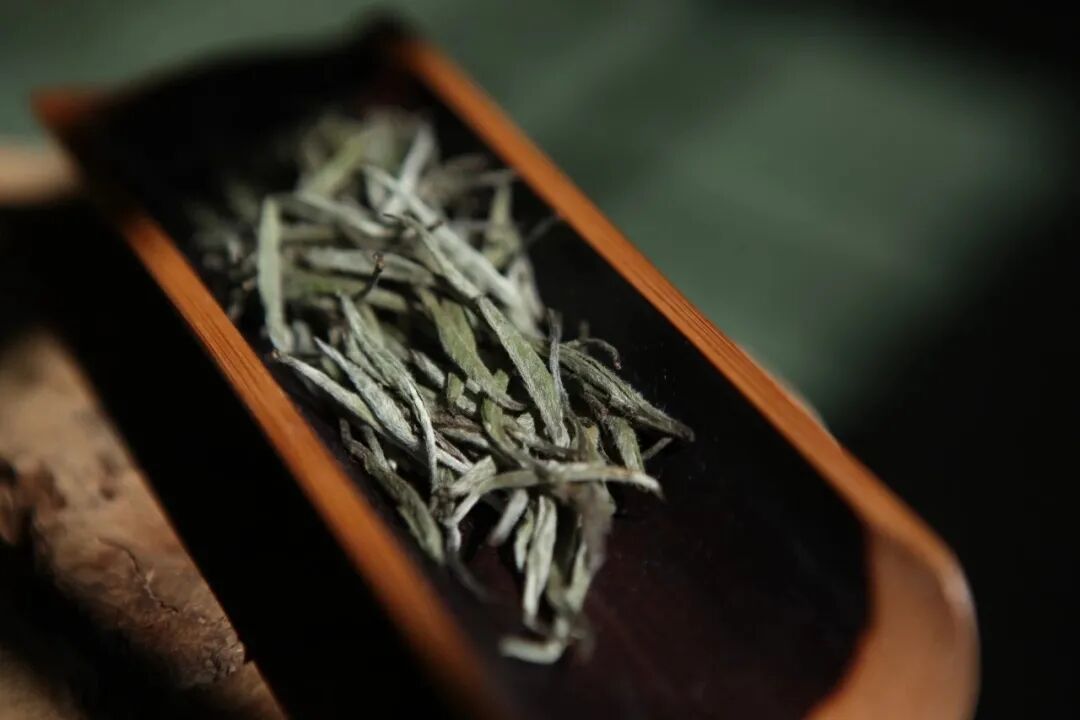
1. Smell the Dry Leaf
This is the first sensory check.
| What to Notice | Why It Matters |
|---|---|
| Aroma | Fresh, roasted, floral, earthy, smoky |
| Cleanliness | No mold, sourness, or storage odor |
| Leaf shape | Rolled, twisted, compressed, or broken |
In Chinese tea culture, this first step is often called xiu cha: smelling the tea before brewing.
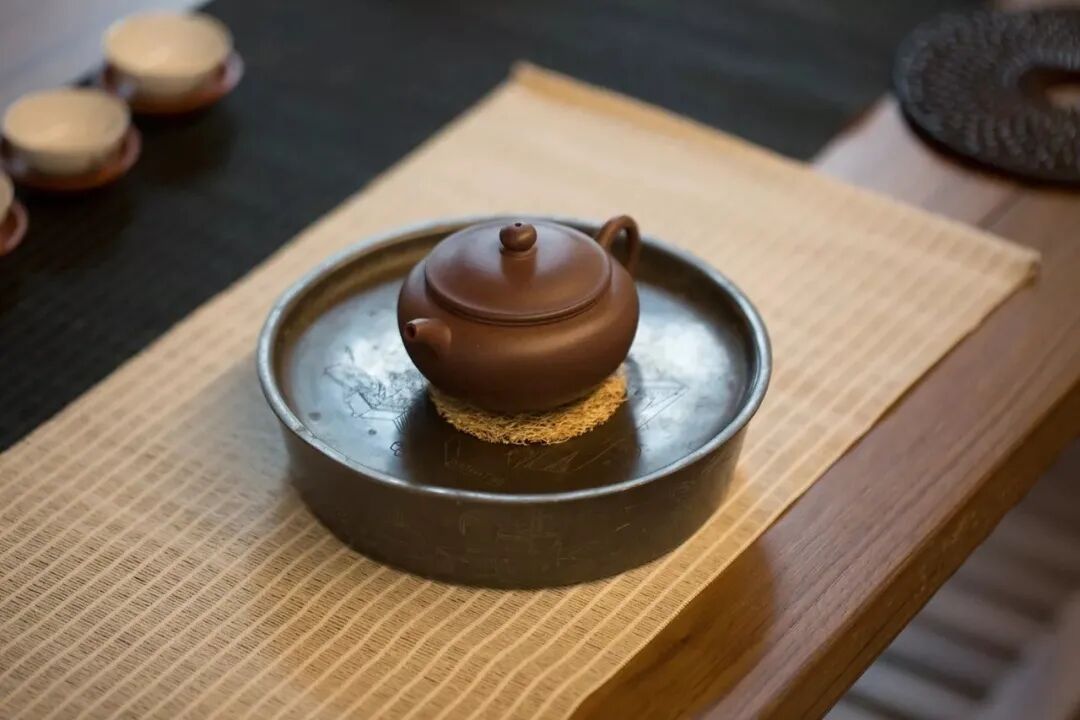
2. Warm the Vessel
Rinse the gaiwan or teapot with hot water.
This does two things:
- Wakes up the vessel.
- Keeps the first infusion from losing heat too quickly.
3. Add the Tea
Use a scoop or clean fingers only if necessary.
| Tea Shape | What to Do |
|---|---|
| Rolled tea | Pour gently into the vessel |
| Broken tea | Use less, because it extracts faster |
| Fluffy leaves | Loosen lightly so the leaves can open |
| Compressed tea | Break off a small piece first |
4. Rinse If Needed
A quick rinse is common for pu-erh and some oolongs.
It is usually not necessary for delicate green tea or very gentle white tea.
A rinse should be brief:
- Pour in hot water.
- Count one to three seconds.
- Pour out completely.
5. Steep Briefly
This is where gongfu tea differs most from Western mug brewing.
You use:
- More leaf
- Less water
- Shorter steeps
- Multiple infusions
That pattern lets you taste how the tea changes across rounds, which is part of the point.[1]
6. Pour Out Fully
Do not let the tea sit in the vessel too long.
If you leave the leaves soaking, the cup will usually become stronger, more bitter, and less balanced.
7. Share and Taste
Pour into the fairness cup, then into tasting cups.
| Why Use a Fairness Cup? | What It Prevents |
|---|---|
| Even distribution | One cup stronger than another |
| Cleaner serving | Less dripping from the brewer |
| Better table etiquette | Everyone gets the same tea |
The Traditional Sequence, Translated for Beginners
The classical Chinese tea world often describes tea service in named steps. For beginners, the names are less important than the function.
| Traditional Term | Plain English |
|---|---|
| 嗅茶 | Smell the dry leaf |
| 温壶 | Warm the teapot or gaiwan |
| 装茶 / 纳茶 | Add the tea |
| 温盅 | Warm the fairness cup |
| 温杯 | Warm the drinking cups |
| 注汤 | Pour in hot water |
| 候汤 | Wait for the steep |
| 出汤 | Decant the tea out |
| 分茶 | Divide into cups |
| 传杯 | Serve the cups |
| 去渣 | Remove spent leaves |
| 清壶 | Clean the vessel |
You do not need to perform all of this perfectly on day one. Think of it as a traditional script, not a test.
What Chinese Tea Classics Say
Lu Yu’s The Classic of Tea is the earliest known monograph on tea and tea culture in the world.[2] It includes chapters on tools, utensils, boiling, drinking, and growing regions.
For beginners, that is important because it shows skillful tea thinking is not random. Tea has long been treated as something shaped by:
- water,
- vessels,
- leaf quality,
- and method.
Later Chinese tea writing continued to refine those ideas. Modern gongfu tea is one descendant of that tradition.
Which Teas Work Best
| Best Fit | Why It Works |
|---|---|
| Oolong | Aromatic, layered, and good for multiple infusions |
| Pu-erh | Often benefits from quick repeated steeps |
| Black tea | Can show sweetness and body in short infusions |
| White tea | Good if you want a softer gongfu session |
| Green tea | Possible, but usually better with a gentler, lighter style |
Not every tea needs gongfu treatment. Delicate green tea often performs better in a lighter brew method. Gongfu is most rewarding when the tea has enough structure to evolve over several infusions.
Why Vessel Choice Matters
A recent study on tea vessels found that teacup design can influence how people perceive tea taste, bitterness, sweet aftertaste, aroma, and overall presentation.[3] In practice, this means your teaware is not just decoration.
| Vessel Factor | Possible Effect |
|---|---|
| Shape | Changes how aroma reaches the nose and how liquid lands on the tongue |
| Material | Can affect heat retention and sensory experience |
| Size | Changes steeping control and serving rhythm |
| Thickness | Affects mouthfeel and temperature perception |
This is one reason many tea drinkers prefer a small porcelain gaiwan for learning: it keeps the system simple.
Common Beginner Mistakes
| Mistake | What Happens | Fix |
|---|---|---|
| Using too much leaf | Tea becomes harsh | Reduce leaf by 1 g |
| Steeping too long | Bitterness rises fast | Pour out sooner |
| Using boiling water for delicate tea | Aroma gets flattened | Lower the temperature |
| Not pouring fully | Tea keeps extracting | Decant completely |
| Ignoring vessel size | Results become inconsistent | Keep to 100 ml at first |
| Treating every tea the same | Flavor balance is lost | Adjust by tea type |
Water quality also matters. Research on green and black tea found that brewing water composition changes flavor and nutrient extraction.[4] Another study found that water type can affect the sensory and physicochemical properties of light-scented and strong-scented Tieguanyin oolong teas.[5] If your tea tastes odd, try filtered water before blaming the leaf.
A Simple Beginner Session
If you want a no-stress first session, do this:
- Use a 100 ml gaiwan.
- Add 5 g of oolong or pu-erh.
- Rinse quickly if the tea is compressed or roasted.
- Brew for 8 seconds.
- Pour out completely.
- Taste.
- Add 3 to 5 seconds for the next infusion.
That is enough to begin.
FAQ
Is gongfu tea only for experts?
No. It is a method, not a performance.
Do I need a Yixing teapot?
No. A porcelain gaiwan is usually the best beginner choice.
Can I use gongfu brewing for every tea?
You can try, but some teas work better than others. Oolong and pu-erh are the easiest starting points.
Why are the cups so small?
Because gongfu tea is built around repeated short infusions, not one giant mug.
Is gongfu tea supposed to be a ceremony?
Sometimes it is treated that way, but in everyday life it is often just a careful, repeatable way to brew tea.[1]
Final Thought
Gongfu tea is not about showing off.
It is about paying attention.
If you remember only one idea, make it this:
Gongfu tea means brewing with enough skill and care to let the tea unfold in stages.
That is the heart of the method.
References
- d’Abbs PHN, Wu C, O’Sullivan J, de Ferranti H. Art as everyday practice: A study of gongfu tea in Chaoshan, China.
- Chinese Text Project. Chajing 茶經 (The Classic of Tea).
- Yang S-C, Peng L-H, Hsu L-C. The Influence of Teacup Shape on the Cognitive Perception of Tea, and the Sustainability Value of the Aesthetic and Practical Design of a Teacup.
- Franks M, Lawrence P, Abbaspourrad A, Dando R. The Influence of Water Composition on Flavor and Nutrient Extraction in Green and Black Tea.
- Ma Y-Y, Wang J-Q, Gao Y, Cao Q-Q, Wang F, Chen J-X, Feng Z-H, Yin J-F, Xu Y-Q. Effect of the type of brewing water on the sensory and physicochemical properties of light-scented and strong-scented Tieguanyin oolong teas.
- Zhang S, Yang Y, Cheng X, Thangaraj K, Arkorful E, Chen X, Li X. Prediction of suitable brewing cuppages of Dahongpao tea based on chemical composition, liquor colour and sensory quality in different brewing.
- Fernando CD, Soysa P. Extraction Kinetics of phytochemicals and antioxidant activity during black tea (Camellia sinensis L.) brewing.
- UNESCO Intangible Cultural Heritage. Traditional tea processing techniques and associated social practices in China.