Oolong tea can be one of the most rewarding teas to brew at home, but it is also easy to make badly if the water is too cool, the vessel is too large, or the leaves sit in water too long.
Unlike green tea, many oolongs respond well to hotter water and short infusions. That is part of what makes them so aromatic and layered. Research on Tieguanyin oolong tea shows that brewing water, water-to-tea ratio, temperature, and steeping time can significantly affect the sensory result in the cup.[1][2] Research on oolong aroma also shows that cultivar and processing mode shape the floral and fruity character of the tea.[3]
If you are new to oolong tea, the goal is not to master a ceremony. The goal is to learn a simple, repeatable brewing method that brings out aroma, sweetness, and balance without over-extracting bitterness.
What You Need
Before brewing, it helps to have the right tools. You do not need an expensive setup, but a few basic items make the process much easier.
Basic Oolong Brewing Setup
| Item | Recommended Type | Why It Helps |
|---|---|---|
| Brewing vessel | Small gaiwan or small teapot | Gives better control over time and aroma |
| Serving pitcher | Fairness pitcher / fairness cup | Helps even out strength between cups |
| Cups | Small tasting cups | Better for aroma and layering |
| Kettle | Temperature-controlled or standard kettle | Hot water matters for oolong |
| Water | Clean, fresh water | Water quality affects tea flavor |
| Optional tools | Tea tray, tea scoop, tea tongs, tea strainer | Helpful for a more organized setup |
Best Beginner Vessel Choices
For beginners, the safest recommendation is usually:
- a
100-120 ml porcelain gaiwan - or a
small teapot
A small vessel is easier to control than a large cup. It also helps the tea open properly without sitting in water for too long.
Some experienced drinkers prefer porous clay teapots for certain oolong styles, especially roasted teas. But for a beginner, porcelain is usually the most neutral and forgiving option.
Important note on safety:
If you are using ceramic or pottery teaware, make sure it is intended for food contact and comes from a reputable source. The FDA explains how food-contact materials are regulated, and lead-related concerns can exist with some improperly glazed pottery items.[7][8]
Step-by-Step Brewing Method
Below is a simple, practical method using a gaiwan. This approach works well for many oolong teas.
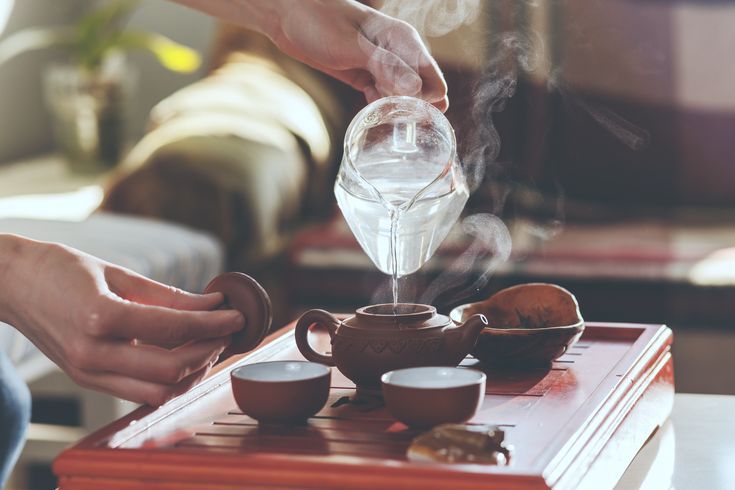
1. Warm the Vessel and Cups
Pour hot water into the gaiwan, serving pitcher, and cups, then discard it.
| Reason | Benefit |
|---|---|
| Preheating the vessel | Helps prevent the tea liquor from cooling too quickly |
| Warming the surface | Supports better aroma release |
| Rinsing the cups | Makes the brewing session feel more polished and consistent |
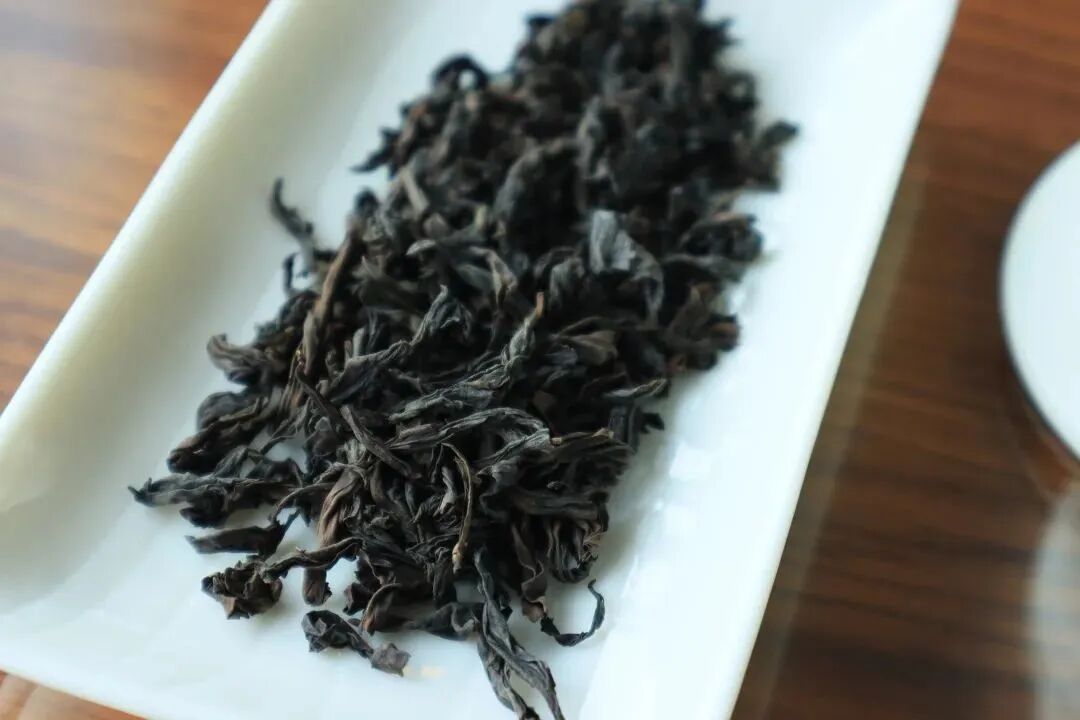
2. Add the Tea
For beginners, it is better to start slightly lighter and adjust upward. A very strong gongfu-style ratio can be rewarding, but it may also make the tea taste too intense if you are still learning.
| Gaiwan Size | Beginner Amount | Strong Gongfu Amount |
|---|---|---|
| 100 ml | 5-7 g | 8-10 g |
| 120 ml | 6-8 g | 10-12 g |
| 150 ml | 7-10 g | 12-15 g |
If you prefer a lighter cup, reduce the amount slightly. If you prefer a stronger cup, increase it a little.
3. Rinse or Wake the Tea
Many oolong drinkers use a very short rinse or “wake-up” pour, especially for tightly rolled or roasted oolongs.
| Step | What to Do |
|---|---|
| Add hot water | Use near-boiling water for most oolongs |
| Brief contact | Let the water touch the leaves only briefly |
| Discard the rinse | Pour it out after a few seconds |
This step is often used to warm the leaves and help tightly rolled oolongs begin unfolding. It is optional, especially for very fragrant teas where you do not want to lose the first aroma.
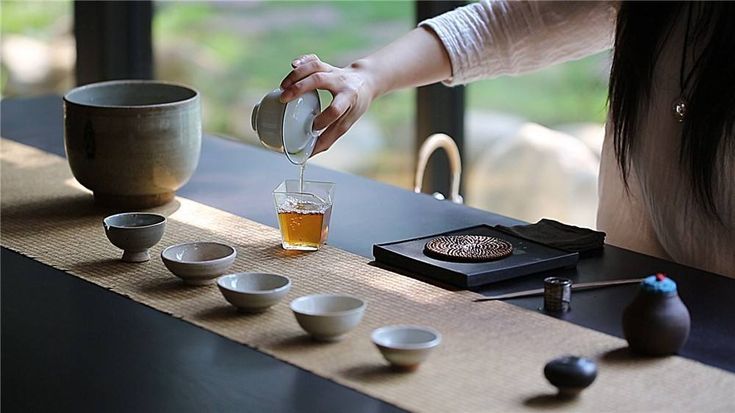
4.
For many oolongs, especially aromatic styles, the first infusion should be short.
| Infusion | Suggested Time |
|---|---|
| 1st real infusion | 15-20 seconds |
| 2nd infusion | 20-25 seconds |
| 3rd infusion and later | Add 5-10 seconds each time |
This is a starting point, not a law. Older, more roasted, or denser teas may need slightly longer. More delicate, lightly oxidized teas may need slightly shorter infusions. A Tieguanyin brewing study found that ratio, temperature, and time all affected sensory traits and chemical composition.[2]
5. Pour Out Quickly
Do not leave the tea sitting in the gaiwan.
| Rule | Why It Matters |
|---|---|
| Pour fully and quickly | Prevents the tea from over-steeping |
| Do not let the liquor sit | Reduces the risk of bitterness |
| Drain the vessel well | Keeps later infusions balanced |
Oolong tea is often appreciated because it can give many good infusions when brewed properly. A study on Dahongpao oolong tea found that sensory quality and chemical composition changed across repeated infusions, and some samples remained suitable for multiple brewings.[4]
Why Use Hot Water for Oolong Tea?
Many tea drinkers are surprised that oolong often prefers hotter water than green tea.
Main Reasons
| Reason | Explanation |
|---|---|
| Aroma release | Hot water helps volatile aroma compounds open more fully |
| Leaf structure | Oolong leaves are often rolled or shaped and need heat to unfold |
| Flavor extraction | Hotter water helps extract body and sweetness in a controlled way |
| Brewing tradition | Many oolong styles are traditionally brewed with near-boiling water |
Research on oolong tea indicates that brewing conditions strongly affect flavor and aroma. One study on Tieguanyin found that brewing water type had a measurable impact on sensory and physicochemical properties, while another study optimized brewing temperature, ratio, and time to improve infusion quality.[1][2]
For many oolongs, hot or near-boiling water helps release aroma more fully, but lighter floral styles may still benefit from shorter contact time.
Practical Water Advice
| Water Type | Practical Note |
|---|---|
| Pure water | Can work well, but may taste flatter in some teas |
| Mountain spring water | Can improve aroma in some cases |
| Mineral water | Too mineral-heavy can flatten or muddy the cup |
| Fresh soft water | Often a safe everyday choice |
For Tieguanyin, researchers found that water type affected aroma and taste, with moderate mineralization sometimes supporting better aroma quality than either very pure or overly mineral-heavy water.[1]
Quick Brewing Table by Oolong Style
| Oolong Style | Water Temperature | First Infusion | Notes |
|---|---|---|---|
| Light floral oolong | 95-100°C | 10-15 sec | Keep the infusions short |
| Traditional Tieguanyin | 95-100°C | 15-20 sec | Aroma is often the main focus |
| Wuyi rock tea | 100°C | 10-20 sec | Can usually handle hotter water well |
| Dancong-style oolong | 100°C | 10-15 sec | Aroma often benefits from short controlled infusions |
| More roasted oolong | 100°C | 15-25 sec | Often deeper and more forgiving |
How to Taste Oolong Tea
Oolong tea is known for its aroma. Studies on oolong tea and Tieguanyin have identified many volatile compounds related to floral, fruity, and green-leaf aroma development, and show that cultivar, processing mode, and turning-over intensity can shape aroma quality.[3][5][6]
What to Pay Attention To
| Tasting Focus | What to Notice |
|---|---|
| Aroma | Floral, fruity, roasted, mineral, creamy, honeyed |
| Mouthfeel | Light, smooth, round, thick, drying |
| Aftertaste | Short sweetness, lingering fragrance, throat feel |
| Infusion changes | Does it fade quickly or develop gradually? |
Common Tasting Goals by Style
| Style | Common Focus |
|---|---|
| Wuyi rock tea | Depth, structure, mineral feel |
| Tieguanyin | Aroma, sweetness, clean finish |
| Phoenix Dancong | Highly distinctive fragrance |
| Taiwan high mountain oolong | Balance, clarity, soft floral or creamy notes |
How Many Times Can You Rebrew Oolong?
One of the reasons oolong is loved by experienced drinkers is that it often holds up well across multiple infusions.
Practical Re-Steeping Table
| Tea Example | Typical Reinfusion Range |
|---|---|
| Wuyi rock tea | Often 5-8 infusions or more |
| Tieguanyin | Often several good infusions |
| Phoenix Dancong | Often multiple aromatic infusions |
| Better-quality oolongs | Often keep changing over 4-10 infusions |
A study on Dahongpao showed that some oolong teas can remain sensorially strong through multiple infusions, with quality holding up across several steepings.[4]
Common Mistakes Beginners Make
1. Using Too Little Heat
Oolong often needs hotter water than beginners expect. Water that is too cool may leave the tea flat and under-extracted.
2. Using a Vessel That Is Too Large
A large teapot makes the tea harder to control and can flatten aroma.
3. Steeping Too Long
Long steeping can push oolong into roughness or bitterness instead of aroma and sweetness.
4. Treating All Oolongs the Same
A floral Tieguanyin and a roasted Wuyi tea do not always want the same timing or emphasis.
Beginner Brewing Cheat Sheet
| Step | Practical Recommendation |
|---|---|
| Water | Fresh, clean water |
| Temperature | Usually near boiling |
| Tea amount | About 5-7 g per 100 ml for beginners, or 8-10 g for a stronger gongfu-style brew |
| First infusion | Short, around 15-20 sec |
| Later infusions | Add time gradually |
| Vessel | Small gaiwan or small teapot |
| Goal | Aroma first, then balance, then adjustment |
Final Thoughts
Oolong tea is one of the most rewarding tea categories for home brewing because it has so much range. It can be floral, roasted, creamy, mineral, fruity, or soft, depending on how it was processed.
If green tea is often about delicacy and black tea is often about warmth, oolong is about range.
The best way to start is with a small vessel, near-boiling water, a moderate leaf amount, and short infusions. From there, let the tea tell you what it wants to do.
References
- Ma YY, Wang JQ, Gao Y, Cao QQ, Wang F, Chen JX, Feng ZH, Yin JF, Xu YQ. Effect of the type of brewing water on the sensory and physicochemical properties of light-scented and strong-scented Tieguanyin oolong teas.
- Cao QQ, Wang JQ, Chen JX, Wang F, Gao Y, Granato D, Zhang X, Yin JF, Xu YQ. Optimization of brewing conditions for Tieguanyin oolong tea by quadratic orthogonal regression design.
- He C, Zhou J, Li Y, Zhang D, Ntezimana B, Zhu J, Wang X, Xu W, Wen X, Chen Y, Yu Z, Wang Y, Ni D. The aroma characteristics of oolong tea are jointly determined by processing mode and tea cultivars.
- Zhang S, Yang Y, Cheng X, Thangaraj K, Arkorful E, Chen X, Li X. Prediction of suitable brewing cuppages of Dahongpao tea based on chemical composition, liquor colour and sensory quality in different brewing.
- Wu L, Chen X, Lin J, et al. Study on dynamic alterations of volatile organic compounds reveals aroma development over enzymatic-catalyzed process of Tieguanyin oolong tea production.
- Ni Z, Wu Q, Zhou Z, et al. Effects of turning over intensity on fatty acid metabolites in postharvest leaves of Tieguanyin oolong tea (Camellia sinensis).
- U.S. Food and Drug Administration. Understanding How FDA Regulates Substances that Come into Contact with Food.
- U.S. Food and Drug Administration. Questions and Answers on Lead-Glazed Traditional Pottery.