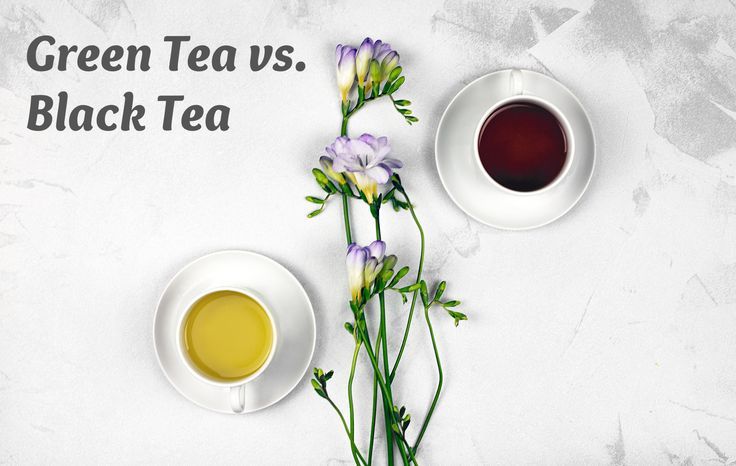
Green tea and black tea come from the same plant,
Camellia sinensis, but they can feel completely different in the cup.One tastes fresher, lighter, and more vegetal.
The other often feels warmer, fuller, and sweeter.That contrast confuses many beginners. Some people hear that green tea is “cleaner” and assume it is always better. Others hear that black tea is “gentler” and assume it is always the safer option. Neither is fully true.
The better question is not “Which tea is healthier?” or “Which one is superior?”
The better question is:
Which tea fits your taste, brewing style, routine, and tolerance better?
This guide compares green tea and black tea side by side, with a focus on:
- processing
- taste
- caffeine expectations
- brewing differences
- who may prefer each style
- practical safety and everyday use
Quick Answer
If you want a short version first, here it is:
| If you want... | Green Tea | Black Tea |
|---|---|---|
| Fresher flavor | Better fit | Less typical |
| Fuller body | Less typical | Better fit |
| A more forgiving brew | Less forgiving | Usually easier |
| Lighter-feeling cup | Better fit | Less typical |
| Warmer, rounder taste | Less typical | Better fit |
| Strong floral/vegetal notes | More common | Less common |
Green tea and black tea are both true teas. The main difference starts with processing, especially oxidation, and that affects flavor, aroma, and brewing behavior.[1][2]
What Is the Main Difference Between Green Tea and Black Tea?
The biggest difference is not where the tea comes from. It is how the leaves are processed after harvest.
Core Comparison Table
| Comparison Point | Green Tea | Black Tea |
|---|---|---|
| Tea plant | Camellia sinensis | Camellia sinensis |
| Processing style | Minimally oxidized | Fully or heavily oxidized |
| Basic manufacturing direction | Heat is applied earlier to limit oxidation | Oxidation is allowed to proceed further before drying |
| Typical dry leaf color | Green, yellow-green, grey-green | Dark brown, black, coppery, sometimes golden-tipped |
| Liquor color | Pale yellow-green to yellow | Amber, red-orange, deep reddish-brown |
| Typical flavor direction | Fresh, grassy, nutty, savory, clean | Fuller, maltier, sweeter, fruitier, more rounded |
| Brewing sensitivity | More sensitive to heat and over-steeping | Usually more forgiving |
| Main polyphenol emphasis | Higher catechin content | More theaflavins and thearubigins after oxidation |
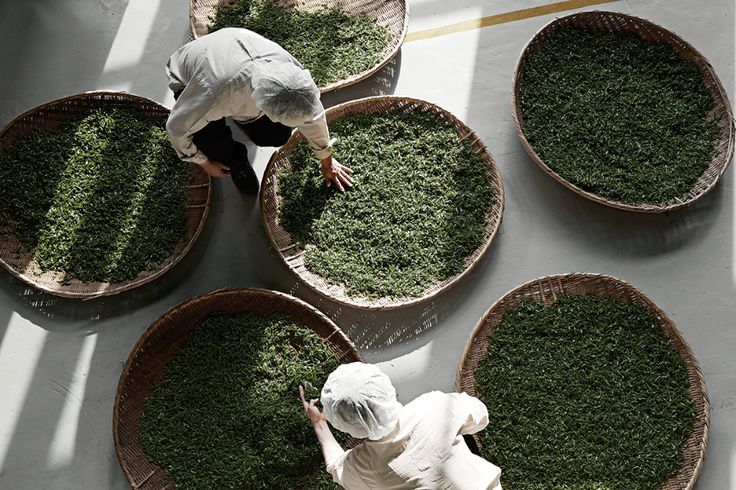
Why processing changes the cup so much
Green tea is heated earlier in processing to limit oxidation. That helps preserve more of the fresher, greener, more direct leaf character.[1][2]
Black tea is oxidized more fully before final drying. During this process, part of the catechin profile transforms into compounds such as theaflavins and thearubigins, which contribute to darker liquor and a fuller, more rounded profile.[3][4]
That is why green tea and black tea can taste as if they come from different worlds, even though they come from the same plant.
Taste: How Do Green Tea and Black Tea Actually Differ?
For beginners, taste is often more useful than chemistry.
Flavor Comparison Table
| Sensory Category | Green Tea | Black Tea |
|---|---|---|
| First impression | Fresh, brisk, lively | Warm, rounded, fuller |
| Common aroma notes | Grass, steamed greens, beans, chestnut, seaweed, flowers | Honey, malt, dried fruit, cocoa, caramel, sweet potato, spice |
| Body | Lighter to medium | Medium to full |
| Sweetness | Usually subtle and clean | Often more obvious and rounded |
| Bitterness risk | Higher if brewed too hot | Usually lower at the same brewing error level |
| Astringency | Can be more noticeable | Often softer or less sharp |
| Finish | Crisp, refreshing | Smooth, lingering, warming |
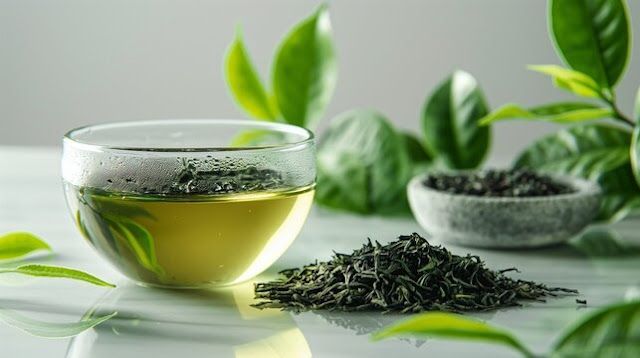
What green tea usually feels like
A well-brewed green tea often tastes:
- fresh
- clean
- lightly sweet
- brisk without being harsh
- aromatic in a cleaner, more lifted way
What black tea usually feels like
A well-brewed black tea often tastes:
- fuller
- sweeter or rounder
- easier to notice right away
- warmer in character
- more familiar to drinkers who like stronger beverages
This is one reason black tea often feels easier for beginners, even before we talk about brewing.
Caffeine: Which One Has More?
A lot of people want a simple answer here, but the honest answer is:
tea type alone does not determine caffeine precisely.
Caffeine levels depend on multiple factors, including:
- leaf style
- cultivar
- harvest season
- brewing temperature
- steeping time
- tea-to-water ratio
That said, beginners often experience green tea as more stimulating when it is brewed strongly, partly because it is often brewed with finer leaf material and sometimes consumed more quickly. But this is not a universal rule.
Practical Caffeine Table
| Question | Better Answer |
|---|---|
| Does green tea always have less caffeine than black tea? | No, not always |
| Does black tea always feel stronger? | Often in flavor, not necessarily always in caffeine |
| What affects caffeine most in daily brewing? | Leaf amount, steep time, and brewing conditions |
| What matters more for daily experience? | How you brew it, not just the category name |
There is also evidence that tea’s caffeine can interact with L-theanine and other compounds in ways that affect alertness and attention differently from coffee.[5][6][7]
Brewing: Which One Is Easier to Make Well?
For most beginners, black tea is easier.
Green tea is more temperature-sensitive and becomes bitter more quickly if brewed too hot or too long. Black tea usually tolerates near-boiling water and longer steeping with fewer dramatic failures.[8][9]
Brewing Comparison Table
| Brewing Factor | Green Tea | Black Tea |
|---|---|---|
| Water temperature | Usually lower | Usually higher |
| Steep time tolerance | Narrower | Wider |
| Over-steeping penalty | Often sharp bitterness | Usually heavier, but less punishing |
| Best beginner approach | Gentle brewing | More forgiving everyday brewing |
| Good for repeated adjustment | Yes, but sensitive | Yes, often easier |
Beginner brewing ranges
| Tea Type | Beginner Water Range | Beginner Steep Approach |
|---|---|---|
| Green Tea | 75-85°C | Shorter, gentler, taste early |
| Black Tea | 90-95°C or just off the boil | Moderate steep, easier to control by taste |
Health: What Can We Say Responsibly?
This is the section where many tea articles become unreliable. If you want this article to stay aligned with AdSense-friendly quality standards, the safest approach is:
- do not oversell tea as medicine
- do not promise disease prevention or treatment
- use wording like “associated with,” “may support,” or “has been studied for”
What green tea has been studied for
Green tea is rich in catechins, especially EGCG, and has been widely studied for antioxidant-related and cardiometabolic outcomes.[1][10][11]
Research suggests that green tea intake or green tea extracts may improve some cardiovascular risk markers in certain study settings, but results vary by dose, population, and study design.[10][11][12]
A more careful, reader-safe summary is:
- green tea has been studied for cardiovascular and metabolic markers
- the evidence is stronger for biochemical and risk-factor changes than for sweeping lifestyle claims
- this is not a reason to treat green tea as a substitute for medical care
What black tea has been studied for
Black tea has also been studied for cardiovascular and attention-related outcomes, especially because of its theaflavins, thearubigins, caffeine, and theanine-related effects.[4][7][13]
There is some evidence that black tea may support attention and alertness in the short term, and some meta-analytic work suggests modest blood-pressure-related effects in certain settings.[7][13]
A safer summary is:
- black tea may contribute to alertness and attention in some contexts
- black tea also contains bioactive compounds worth studying
- it should not be marketed as a cure-all or digestive medicine
Evidence Summary Table
| Claim Type | Green Tea | Black Tea |
|---|---|---|
| Strong antioxidant-related research interest | Yes | Yes |
| Cardiometabolic research base | Larger and more visible | Present, but somewhat smaller in public discussion |
| Short-term alertness / attention interest | Yes | Yes |
| Safe to market as a medical treatment? | No | No |
| Best wording for responsible content | "has been studied for" | "has been studied for" |
Which One May Suit Different People Better?
This is the part readers usually care about most. Here we should be honest: this is practical editorial guidance, not medical diagnosis.
Practical Preference Table
| Person or Situation | Green Tea May Fit Better | Black Tea May Fit Better |
|---|---|---|
| You like fresh, clean flavors | Yes | Less likely |
| You prefer fuller, sweeter cups | Less likely | Yes |
| You are new to brewing and want fewer failures | Less likely | Yes |
| You want something lighter in body | Yes | Less likely |
| You like floral or vegetal complexity | Often yes | Sometimes |
| You want a more familiar “strong tea” feel | Less likely | Yes |
Seasonal and routine preferences
| Situation | Green Tea | Black Tea |
|---|---|---|
| Warm weather | Often refreshing | Still fine, but often feels heavier |
| Cold weather | Fine if you enjoy it | Often feels more comforting |
| Midday focus | Common choice | Also works |
| With richer food | Can feel cleansing | Can also pair well, especially with breakfast or baked foods |
I would avoid saying “green tea is for hot bodies” or “black tea is for weak stomachs” as hard rules in English-language publication. Those are culturally familiar shortcuts in some contexts, but they are not strong scientific classification systems.
A better framing is:
- choose green tea if you want freshness and brightness
- choose black tea if you want warmth and fuller flavor
- choose based on taste, tolerance, and brewing style
Safety and Everyday Drinking Tips
A responsible tea guide should also include a few simple safety notes.
Do not drink tea extremely hot
The International Agency for Research on Cancer has classified very hot beverages consumed above 65°C as probably carcinogenic to humans in relation to esophageal cancer risk.[14][15]
That does not mean tea itself is dangerous. It means the temperature matters.
Simple Safety Table
| Everyday Tip | Why It Matters |
|---|---|
| Avoid drinking tea above 65°C | Very hot beverages may increase esophageal cancer risk |
| Do not brew tea extremely strong all day | High intake may increase caffeine-related discomfort in some people |
| Be careful with sleep timing | Both green and black tea contain caffeine |
| If iron status is a concern, avoid washing down iron-rich meals with strong tea | Tea polyphenols may reduce non-heme iron absorption in some contexts |
So Which One Should You Choose?
If you want the shortest practical answer:
Choose green tea if you want:
- a fresher, lighter cup
- more vegetal, nutty, or floral notes
- a tea that feels crisp and clean
- a style you do not mind brewing more carefully
Choose black tea if you want:
- a fuller, rounder cup
- more sweetness, malt, fruit, or warmth
- a more forgiving everyday brew
- a tea that feels more familiar or comforting
If you are a true beginner
If you are completely new to tea, black tea is often the easier first success because it is more tolerant of imperfect brewing. Green tea can be just as rewarding, but it benefits from more careful temperature control.
That does not make black tea “better.” It simply makes it easier to like on the first try.
Final Thoughts
Green tea and black tea are not opposing teams. They are two different expressions of the same plant.
Green tea usually shows freshness, lift, and delicacy.
Black tea usually shows depth, sweetness, and ease.
The right choice depends less on trend or health mythology and more on how you actually like to drink tea.
If you want a simple rule to remember, use this one:
Choose green tea for freshness. Choose black tea for comfort. Choose both if you want a fuller tea education.
References
- Zhao T, Li C, Wang S, Song X. Green Tea (Camellia sinensis): A Review of Its Phytochemistry, Pharmacology, and Toxicology.
- Lin LZ, Chen P, Harnly JM. New Phenolic Components and Chromatographic Profiles of Green and Fermented Teas.
- Tanaka T, Matsuo Y, Kouno I. Enzymatic Oxidation of Tea Catechins and Its Mechanism.
- Peluso I, Serafini M. Antioxidants from Black and Green Tea: From Dietary Modulation of Oxidative Stress to Pharmacological Mechanisms.
- Payne ER, Aceves-Martins M, Dubost J, Greyling A, de Roos B. Effects of Tea (Camellia sinensis) or its Bioactive Compounds L-Theanine or L-Theanine plus Caffeine on Cognition, Sleep, and Mood in Healthy Participants.
- Camfield DA, Stough C, Farrimond J, Scholey AB. Acute effects of tea constituents L-theanine, caffeine, and epigallocatechin gallate on cognitive function and mood.
- De Bruin EA, Rowson MJ, Van Buren L, Rycroft JA, Owen GN. Black tea improves attention and self-reported alertness.
- Jin Y, Zhao J, Kim EM, Kim KH, Kang S, Lee H, Lee J. Comprehensive Investigation of the Effects of Brewing Conditions in Sample Preparation of Green Tea Infusions.
- Yu J, Liu Y, Zhang S, Luo L, Zeng L. Effect of brewing conditions on phytochemicals and sensory profiles of black tea infusions.
- Asbaghi O, et al. The effects of green tea supplementation on cardiovascular risk factors: A systematic review and meta-analysis.
- Onakpoya I, Spencer E, Heneghan C, Thompson M. The effect of green tea on blood pressure and lipid profile: a systematic review and meta-analysis of randomized clinical trials.
- Chung M, et al. Dose-Response Relation between Tea Consumption and Risk of Cardiovascular Disease and All-Cause Mortality.
- Greyling A, et al. The effect of black tea on blood pressure: a systematic review with meta-analysis of randomized controlled trials.
- IARC. IARC Monographs Volume 116: Evaluation of drinking coffee, maté, and very hot beverages.
- IARC Monographs. Drinking Coffee, Mate, and Very Hot Beverages.