Many people like the idea of tea, but never really turn it into a habit. They buy a box, brew a few cups, and then stop because the process feels unclear, expensive, or too much like a task.
This 21-day plan is designed to make tea feel simple, low-pressure, and enjoyable. It is not a scientific promise that a habit will magically form in exactly three weeks. In fact, research on habit formation shows that automaticity varies widely from person to person and often takes much longer than 21 days.[1][2] Think of this as a practical starter plan: enough time to learn the basics, reduce friction, and make tea part of your daily rhythm.
If you are a complete beginner, the goal is not perfection. The goal is to move from "tea feels complicated" to “I know how to make and enjoy a good cup.”
| Day | Task | Goal |
|---|---|---|
| 1 | Choose one starter tea | Reduce decision fatigue |
| 2 | Brew one simple cup | Learn basic taste |
| 3 | Write three tasting notes | Build awareness |
Days 1-3: Learn What Tea Actually Is
Tea is broader than "green tea"
A lot of people start with only one idea of tea in mind, usually green tea. But true tea comes in several major types, and each one tastes different because of processing, not just color in the cup.
The six broad tea categories are:
- Green tea
- White tea
- Yellow tea
- Oolong tea
- Black tea
- Dark tea
If you are new, spend the first few days simply learning the map. Save a simple tea chart on your phone or print one out. You do not need to memorize everything right away. You just need to stop thinking that tea is one single drink.
Choose one easy starter tea
Do not start by buying expensive tea. For the first week or two, buy a small starter pack or a modest sample set.
A practical beginner budget is usually around:
- about
$5-8for a small sample bag or basic tea pack - about
$7-12for a simple tea sample set - about
$10-15for a basic cup or small brewing vessel
In many beginner markets, a small sample pack often costs less than a full-size tea tin. Prices vary by region, seller, and tea grade. The goal is to learn taste, not to impress anyone.
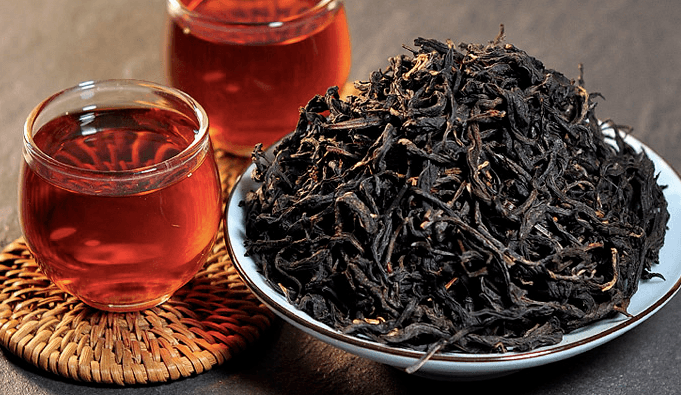
For most beginners, black tea is usually the least frustrating first tea. It is generally more forgiving with water temperature and steeping time than delicate green tea, and its warmer, fuller flavor is easier to understand right away.
Good starter options include:
- Green tea: a mild Longjing-style tea or a fresh, easy-drinking green tea
- Black tea: a smoother Chinese black tea with honey, malt, or fruit notes
- Oolong tea: a lighter floral oolong with an approachable aroma
Use a simple cup first
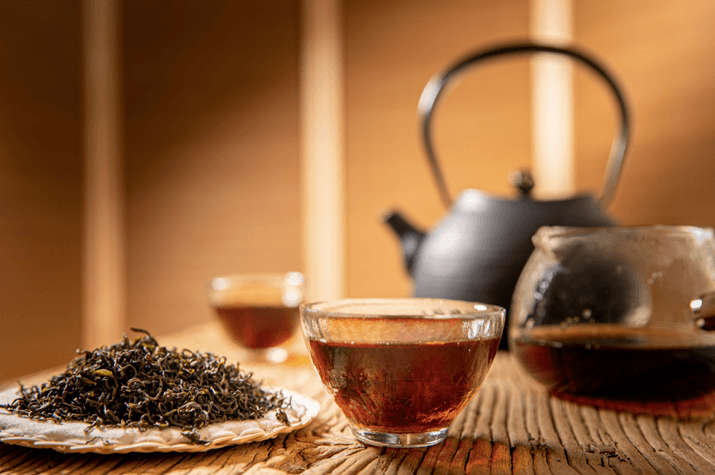
You do not need a fancy teapot on day one. A clear glass cup or a plain white porcelain cup is enough. A plain white cup is useful because it helps you see liquor color clearly, while a glass cup lets you watch the leaves open and sink.
For a beginner, the best vessel is usually one that is:
- easy to clean
- easy to see through
- inexpensive
- not emotionally intimidating
At this stage, a simple cup is more useful than a collector's teapot.
Days 4-7: Learn How to Brew Tea Well
Water temperature matters
One of the biggest reasons tea tastes bitter is brewing it too hot. Green tea in particular is sensitive to high temperatures, and studies on green tea brewing show that water temperature strongly affects both extraction and sensory quality.[5][6]
A practical starting guide:
- Green tea:
75-85°C - Black tea: near boiling or just off the boil
- Oolong tea: often hotter water, depending on style
If you brew green tea with boiling water every time, bitterness is much more likely.
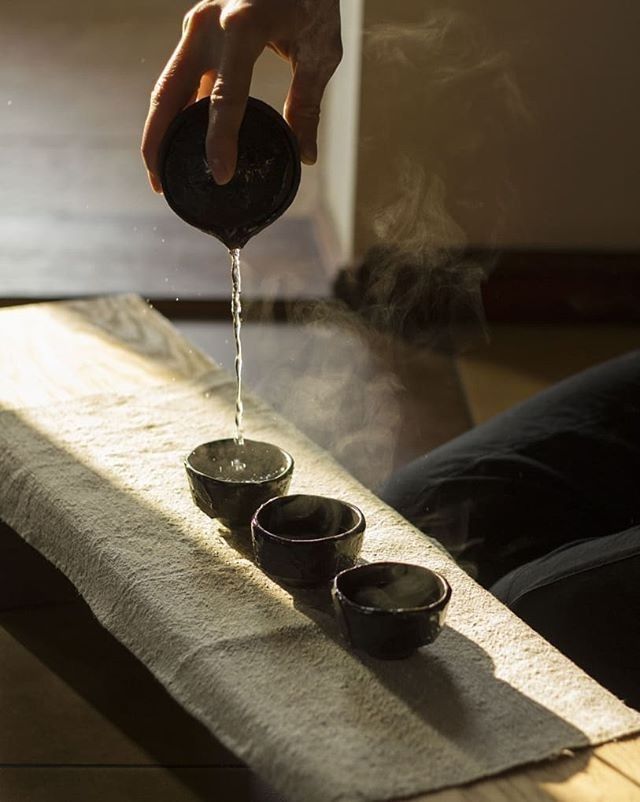
Practice fast pouring
New drinkers often leave tea in water too long. That is one of the fastest ways to ruin a cup.
A simple rule:
- Green tea: pour out quickly
- Black tea: shorter than you think at first
- Oolong tea: begin with a short first infusion, then adjust later
The point is not to chase strength. The point is to taste the tea clearly.
Keep a tea journal
After each cup, write down three things:
- Aroma: fresh, floral, nutty, grassy, roasted?
- Taste: sweet, bitter, soft, dry, clean?
- Mood: calm, focused, relaxed, distracted?
This does not need to be a long diary. Even 30 seconds is enough. Over time, a tea journal helps you understand what you actually like.
Days 8-14: Upgrade Your Tea Setup
Buy one small gaiwan or simple teaware piece
Once you know you want to keep drinking tea, upgrade a little.
A beginner-friendly gaiwan or simple white porcelain brewing vessel often costs around about $10-15 in the US/Europe beginner market, though prices vary by region and material. The point is not luxury. The point is control and consistency.
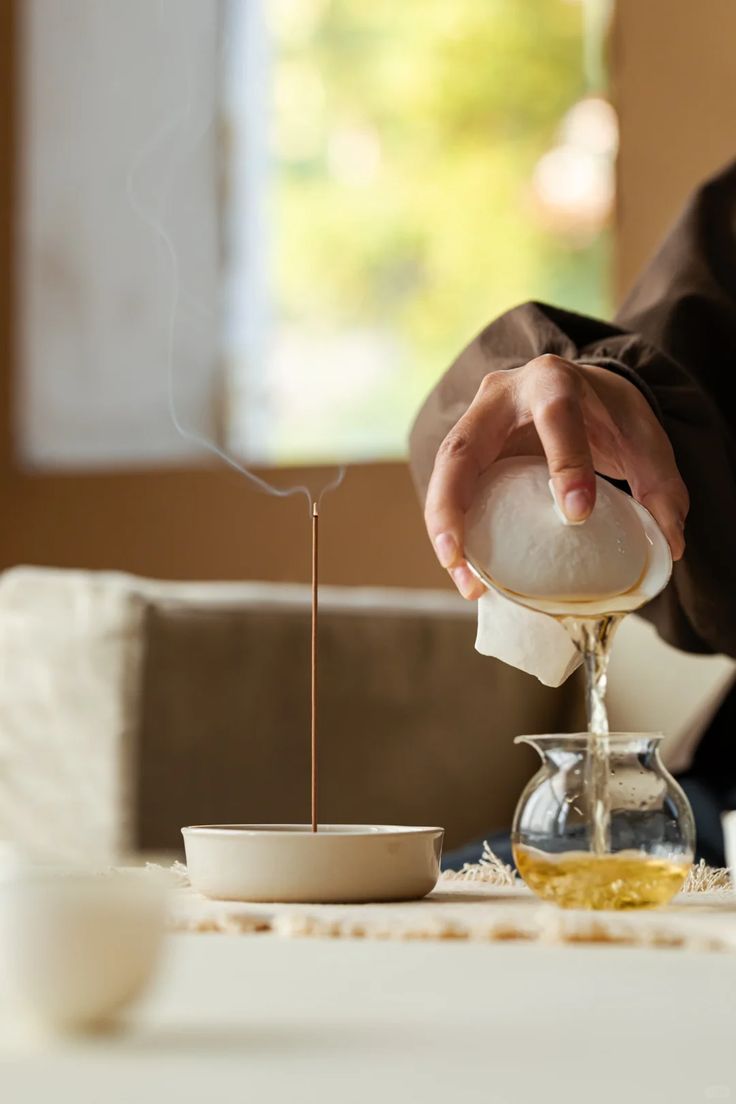
Learn a simple three-finger grip
If you use a gaiwan, use a basic stable grip:
- thumb
- index finger
- middle finger on the rim
The idea is to keep the movement slow and steady. You do not need to perform. You only need to handle the tea safely and confidently.
Try a simple shared setup
A small glass teapot and two cups are enough for a nice at-home tea moment.
This is where tea starts feeling less like a task and more like a daily ritual. One cup for now, one cup to share, or one cup for later. The point is to make tea part of ordinary life.
Use safe, food-contact-friendly materials
If you buy ceramic or pottery teaware, make sure it is intended for food contact. The FDA warns that unknown or improperly glazed pottery can present lead-related risks, and food-contact materials should be used responsibly.[7][8]
That does not mean all ceramic is unsafe. It means you should buy from reputable sellers and avoid decorative mystery pieces.
Days 15-21: Make Tea a Real Habit
Set fixed tea times
A habit becomes easier to maintain when it lives in a stable context. Habit research shows that repetition, cues, and consistency matter more than motivation alone.[1][9]
Try building tea into a few predictable moments:
- morning after waking
- afternoon around 3 p.m.
- evening only if you are not sensitive to caffeine
The exact timing is less important than making the behavior repeatable.
Pair tea with simple snacks
Tea is easier to keep when it feels pleasant, not austere.
Good pairings:
- Green tea with unsalted nuts
- Black tea with plain crackers or biscuits
- Oolong tea with apple slices or other lightly sweet fruit
Avoid snacks that are so sweet they drown out the tea.
Join tea communities on Instagram or TikTok
If you like social motivation, post your tea cup, tea journal, or daily brew on Instagram or TikTok. Use it as a simple accountability tool, not a performance.
A caption like Day 12 of my tea habit is enough. You are not trying to go viral. You are trying to stay consistent.
Let the habit be small
At the end of 21 days, your goal is not to become a tea expert. It is to become someone who can make tea confidently, enjoy it without stress, and understand what you like.
Common Beginner Mistakes
Buying expensive tea too early
Very expensive tea is not a good training ground for beginners. You can learn just as much from modest tea that costs around $5-15 per sample pack or starter set.
Relying on a "special" pot too soon
A purple clay pot is not required. A gaiwan, glass cup, or plain porcelain cup is usually enough at the beginning.
Forcing tea to taste strong
Tea is not coffee. If you keep trying to force intensity, you may lose the freshness and balance that make tea enjoyable.
Ignoring basic product quality
Check origin, shelf life, and labeling. Do not buy unverified tea with no clear production information.[3][4]
Turning tea into a performance task
Tea should help you enjoy the day, not become another optimization project.
What Changes After 21 Days
After three weeks, you may notice that:
- morning tea feels natural
- you can tell the difference between fresh, bitter, and flat cups
- you know which tea styles feel easiest for you
- your setup feels smaller, simpler, and less intimidating
- you understand that tea is a habit, not a test
That is the real win.
Tea does not need to be complicated. It can be an ordinary, pleasant part of the day.
References
- Lally P, van Jaarsveld CHM, Potts HWW, Wardle J. How are habits formed: Modelling habit formation in the real world. Eur J Soc Psychol.
- Gardner B, Rebar AL. Habit Formation and Behavior Change.
- Schwalfenberg G, Genuis SJ, Rodushkin I. The Benefits and Risks of Consuming Brewed Tea: Beware of Toxic Element Contamination.
- Koch W, Kukula-Koch W, Komsta L, et al. Green Tea Quality Evaluation Based on Its Catechins and Metals Composition in Combination with Chemometric Analysis.
- Vuong QV, Golding JB, Nguyen M, Roach PD. Extraction and Isolation of Catechins from Tea.
- Zhao Y, et al. Effects of Brewing Conditions on Phytochemical Composition, Sensory Profiles and Antioxidant Activity of Green Tea Infusions.
- U.S. Food and Drug Administration. Questions and Answers on Lead-Glazed Traditional Pottery.
- U.S. Food and Drug Administration. Understanding How FDA Regulates Substances that Come into Contact with Food.
- Gardner B. A review and analysis of the use of ‘habit’ in understanding, predicting and influencing health-related behaviour.