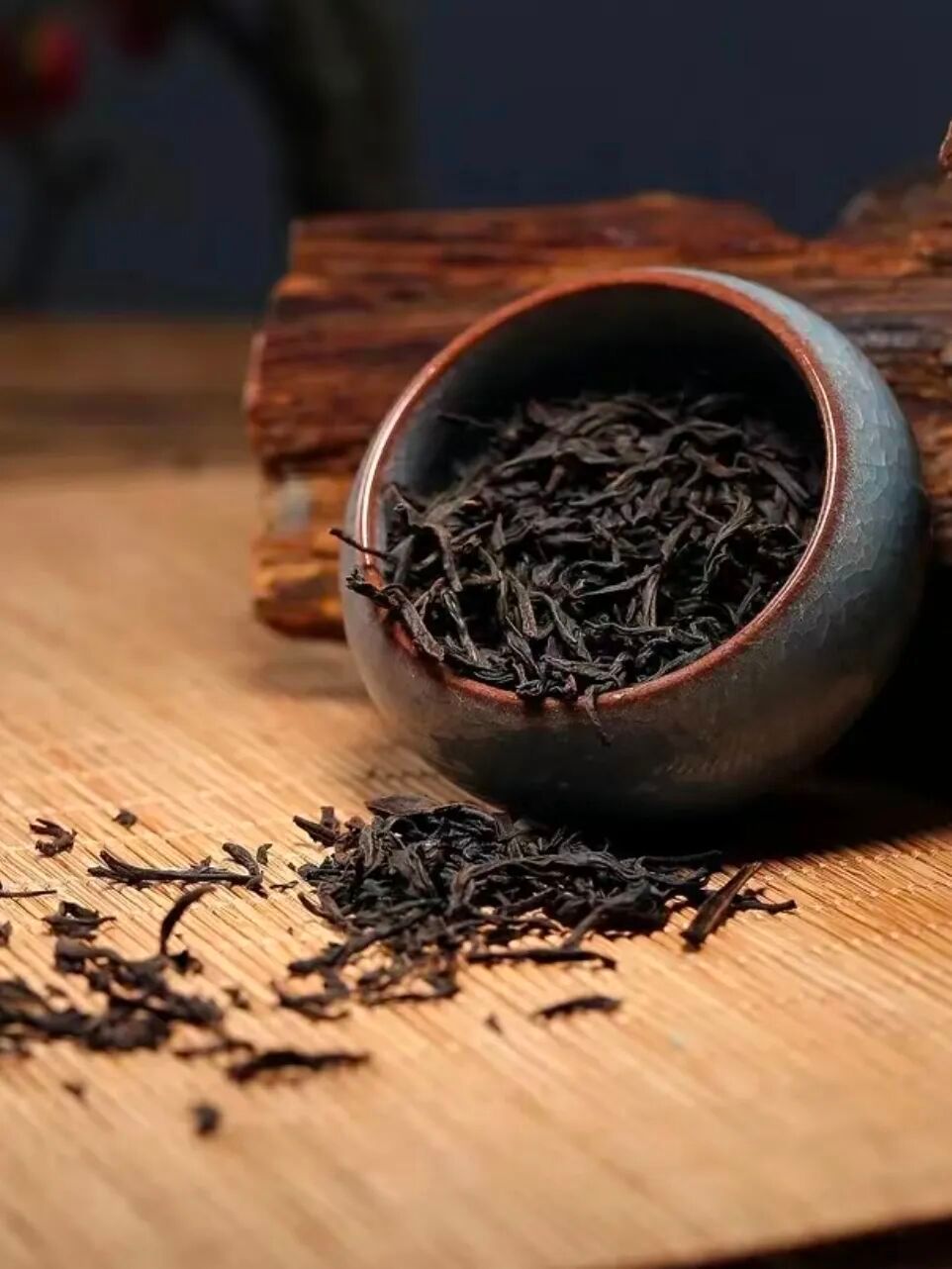
Loose leaf tea is not difficult to store, but it is easy to damage.
Summer heat, humidity, and strong household odors can quickly flatten aroma, dull flavor, and in the worst case create mold risk. If you have ever opened a bag of tea and found it smelled stale, dusty, or “off,” storage was probably the problem.
The basic rule is simple:
keep tea dry, sealed, dark, and away from odors.
That sounds almost too simple, but in practice it solves most home storage problems.
The Five Things That Damage Tea
Tea is sensitive to a few predictable enemies.
| Enemy | What It Does |
|---|---|
| Light | Breaks down aroma and color compounds |
| Heat | Speeds up oxidation and aging |
| Moisture | Raises the risk of staling and mold |
| Oxygen | Slowly changes flavor and aroma |
| Odors | Tea absorbs smells from nearby foods and products |
Chinese tea standards treat storage as a real quality issue, not an afterthought. The modern Chinese storage standard, GB/T 30375-2013, exists specifically for tea storage.[1] In other words, storage is part of tea quality. A storage review also notes that heat, moisture, oxygen, and light are major factors that alter tea quality during storage.[5]
The Core Rule: Dry, Sealed, Dark, Odor-Free
For most loose leaf tea at home, this is the best default setup.
| Rule | What It Means in Practice |
|---|---|
| Dry | Keep tea away from steam and humidity |
| Sealed | Use airtight packaging or a tight container |
| Dark | Store it out of direct light |
| Odor-free | Keep it away from coffee, spices, soap, perfume, and cleaning products |
A glass jar on an open kitchen shelf looks nice, but it is usually a poor tea container because it lets in light. Tea does not need to be displayed to be good.
Which Teas Belong in the Fridge?
This is the question many beginners ask.
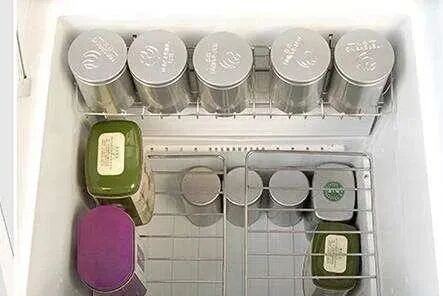
The short answer: no, not all tea should go in the fridge.
A cooler environment can help some teas stay fresh longer, especially green tea.[3][4] But other teas are meant to stay stable at room temperature or even age naturally.
| Tea Type | Fridge? | Best Storage Style |
|---|---|---|
| Green tea | Yes, often helpful | Airtight, opaque, low-temperature storage |
| Yellow tea | Sometimes | Similar to green tea, but only if well sealed |
| Lightly oxidized oolong | Sometimes | Cool, sealed storage if freshness matters |
| Roasted oolong | Usually no | Sealed room-temperature storage |
| Black tea | Usually no | Dry, sealed, dark cupboard |
| White tea | Usually no, unless you know why | Dry, sealed storage for aging or freshness |
| Pu-erh / dark tea | Usually no | Dry, odor-free storage with proper aging conditions |
The key point is that tea type matters. Freshness teas and aging teas are not stored the same way.
Green Tea: Best Kept Cool
Green tea is the most fragile of the major tea types. It has not been heavily oxidized, so it tends to lose freshness faster than black tea or darker teas.
Storage studies show that lower temperatures help slow quality loss in green tea.[3][4]
| Green Tea Storage | Recommended Approach |
|---|---|
| Short-term use | Sealed container in the fridge |
| Longer storage | Well-sealed, opaque packaging, ideally very cold and stable |
| Best practice | Keep it away from light, smell, heat, and moisture |
If you refrigerate green tea, do not open the bag immediately after taking it out. Let it return to room temperature while still sealed. This helps prevent condensation from forming on the leaves.
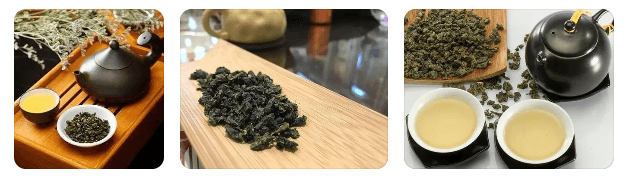
White Tea: Freshness or Aging?
White tea is unusual because some people want to drink it fresh, while others want to age it deliberately.
White tea storage studies show that aroma and microbial activity change over time, especially in compressed white tea.[6] That is why some tea drinkers talk about white tea developing chenxiang, an aged aroma.
Chenxiang is a Chinese tea term that means “aged aroma.” For English readers, think of it as a clean aged character, not a moldy smell.
| White Tea Goal | Best Storage |
|---|---|
| Drink fresh | Dry, sealed, dark storage |
| Age intentionally | Dry, stable, odor-free environment |
| Avoid | Damp storage, fridge condensation, strong odors |
White tea should not smell musty, sour, or damp. If it does, storage has gone wrong.
Pu-erh and Dark Tea: Aging Needs Air, But Not Wetness
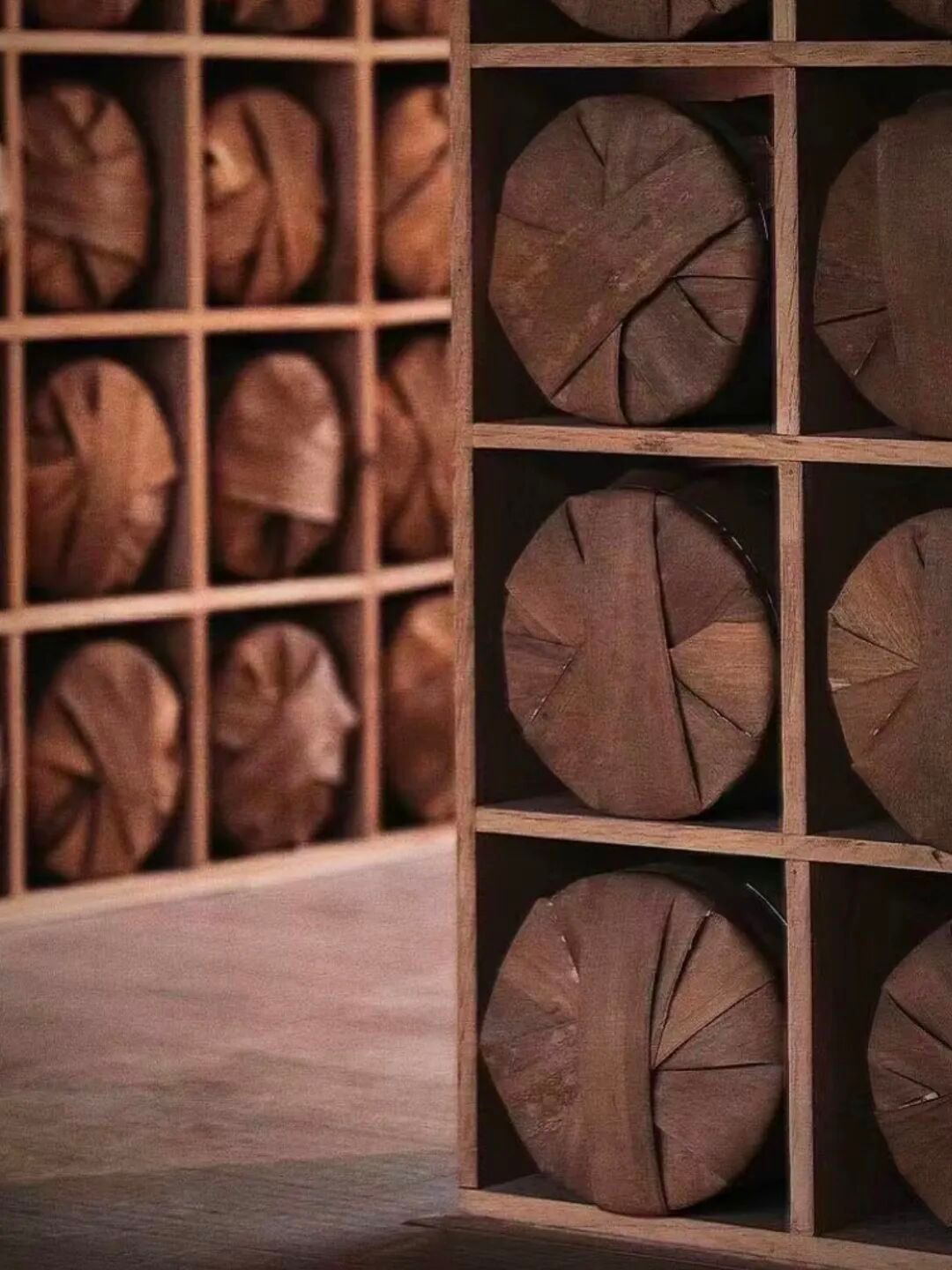
Pu-erh and other dark teas are different from green tea. Many of them are meant to change slowly during storage.
Scientific studies on raw Pu-erh and Liubao tea show that storage conditions, microbial activity, and humidity shape aroma development over time.[7][8] That is why Pu-erh buyers often talk about dry storage and wet storage.
| Chinese Term | Plain English |
|---|---|
| Dry storage | Clean, lower-humidity aging with slow change |
| Wet storage | Faster aging in higher humidity, with more risk of musty notes |
| Chenxiang | Aged aroma |
| Maocha | Unpressed rough tea, often the raw material for Pu-erh |
For home storage, the safest rule is simple:
keep Pu-erh dry, clean, odor-free, and stable.
Do not store Pu-erh in the fridge. Cold storage can interfere with the kind of slow aging people want from this tea.
Black Tea: Easy, but Still Needs Protection
Black tea is more stable than green tea, but it is not indestructible.
A review of tea storage notes that tea quality changes during storage, especially when light, moisture, and heat are present.[5] Another study found that black tea aroma changes significantly across storage years.[2]
| Black Tea Storage | Recommendation |
|---|---|
| Short-term use | Opaque, airtight container in a cool cupboard |
| Longer storage | Same, with extra attention to dryness |
| Avoid | Strong light, heat, open air, and odors |
Black tea usually does not need refrigeration. In most homes, a cool, dry cupboard is enough.

Oolong Tea: It Depends on the Style
Oolong is not one storage category. Light, floral oolongs and roasted oolongs behave differently.
| Oolong Style | Storage Note |
|---|---|
| Light, green-style oolong | Cooler storage may help preserve freshness |
| Roasted oolong | Room temperature storage is usually fine |
| Heavily roasted oolong | Avoid humidity and odor first |
| Aged oolong | Stored differently depending on producer style |
A study on oolong storage showed that aging and drying change volatile compounds and aroma significantly.[9] That is why some oolongs are best fresh, while others are better after resting.
Best Containers for Home Storage
Not all containers are equal.
| Container | Good For? | Notes |
|---|---|---|
| Foil bag | Excellent | Good light and air barrier |
| Food-grade zipper bag | Good | Best when used inside another opaque container |
| Tin can | Good | Opaque and practical |
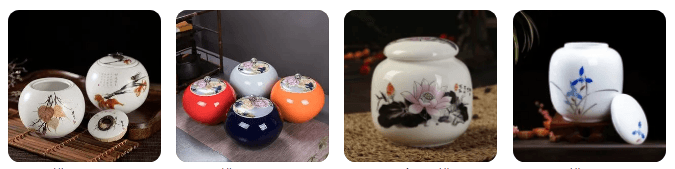
| Ceramic jar with tight lid | Good | Useful if dry and odor-free |
| Glass jar | Limited | Only if kept in a dark cabinet |
| Porous clay jar | Special use only | Not ideal for most teas |
For ordinary home storage, the easiest combination is:
- foil bag or zipper bag
- inside a tin or opaque box
- kept in a dry cupboard
What Not to Do
| Mistake | Why It Causes Problems |
|---|---|
| Leaving tea in the open | Tea absorbs moisture and odors |
| Using a clear glass jar by the window | Light damages quality |
| Storing tea near spices or coffee | Tea absorbs smell easily |
| Repeatedly opening the fridge bag | Condensation can form |
| Mixing different teas together | Their aromas can cross-contaminate |
| Keeping tea in a humid kitchen corner | Heat and moisture speed deterioration |
What About Chinese Tea Culture Terms?
Chinese tea culture often distinguishes between teas that should stay fresh and teas that should age.
| Term | Meaning |
|---|---|
| Chenxiang | Aged aroma |
| Shaiqing | Sun-drying, important in some tea styles |
| Maocha | Rough tea material before final shaping |
| Dry storage | Clean aging with controlled humidity |
Classical tea writing also treated tea as something shaped by environment and care. Lu Yu’s The Classic of Tea is the most famous early tea text in Chinese tradition.[10] It is not a modern storage manual, but it shows that tea has long been viewed as a craft that depends on method, cleanliness, and attention.
A Simple Home Storage System
If you want one practical setup, use this:
| Tea Type | Home Storage Plan |
|---|---|
| Green tea | Airtight, opaque, refrigerated if freshness is important, especially in warm or humid seasons |
| White tea | Dry, sealed, dark cupboard unless aging intentionally |
| Black tea | Opaque, sealed cupboard storage |
| Light oolong | Cool, dry, sealed storage |
| Roasted oolong | Cool cupboard, tightly sealed |
| Pu-erh / dark tea | Dry, odor-free aging storage at room temperature |
FAQ
Can I Store Loose Leaf Tea in the Refrigerator?
Yes, but mainly for teas that benefit from cool storage, especially green tea. Always seal the tea well and let it warm to room temperature before opening.
Can I Freeze Tea?
For some green teas, freezing in a fully sealed package can help long-term freshness. For most other teas, it is unnecessary.
Is White Tea Always Supposed to Age?
No. Some white tea is bought for freshness, and some is bought for aging. The storage goal should match the tea style.
Why Does My Tea Smell Like My Fridge?
Tea absorbs odors easily. It was not sealed well enough, or it was stored near strong-smelling foods.
Is “Older Tea” Always Better?
No. Age only helps when storage is clean, dry, and appropriate for that tea type.
Final Rule
If you remember only one thing, remember this:
good tea storage is not complicated, but it must be consistent.
Keep your tea dry, sealed, dark, and away from odors. Then store each tea type in a way that matches its style.
That is how loose leaf tea stays worth drinking.
References
- Standardization Administration of China. GB/T 30375-2013 Tea storage.
- Yang Y, Luo L, Wang H, Zhang J, Zeng L. Analysis of aroma quality changes of large-leaf black tea in different storage years based on HS-SPME and GC-MS.
- Zhu H, Sheng T, Wu Y, Cheng M, Li H, Dai Y, Wei J, Zhou S, Chen Q, Zhou Y. Impact of storage temperature on green tea quality: an assessment based on compositional changes.
- Li F, Shen J, Yang Q, Wei Y, Zuo Y, Wang Y, Ning J, Li L. Monitoring quality changes in green tea during storage: A hyperspectral imaging method.
- Lv H, Feng X, Song H, Ma S, Hao Z, Hu H, Yang Y, Pan Y, Zhou S, Fan F. Tea storage: A not thoroughly recognized and precisely designed process.
- Chen J, Chen Q, Zhang J, et al. Identification of characteristic aroma and bacteria related to aroma evolution during long-term storage of compressed white tea.
- Xu W, Zhao Y, Lv Y, Bouphun T, Jia W, Liao S, Zhu M, Zou Y. Variations in microbial diversity and chemical components of raw dark tea under different relative humidity storage conditions.
- Xu C, Zhang J, Pan Y, et al. Formation of aroma characteristics driven by microorganisms during long-term storage of Liubao tea.
- Kuo P-C, Lai Y-Y, Chen Y-J, Yang W-H, Tzen JTC. Changes in volatile compounds upon aging and drying in oolong tea production.
- Chinese Text Project. Chajing 茶經 (The Classic of Tea).