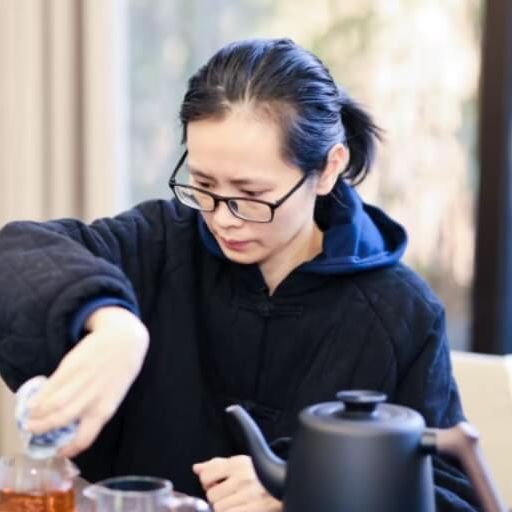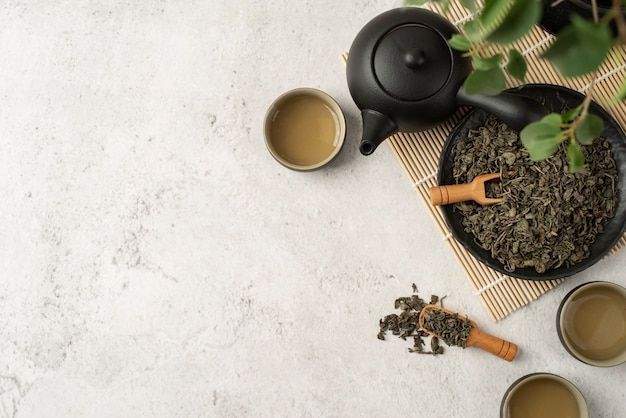
The same tea can taste sweet and smooth in one cup, then bitter and harsh in another.
When that happens, many beginners assume the tea is bad. Sometimes it is. But very often, the problem is not the tea itself. It is the way the tea was extracted.
Tea brewing is not just “adding hot water to leaves.” It is controlled extraction. Temperature, steeping time, tea-to-water ratio, water quality, and even how the water hits the leaves can change what ends up in your cup.
The short answer: your tea tastes bitter because bitter and astringent compounds have been extracted too strongly, too quickly, or too unevenly.
The Flavor of Tea Is Not Fixed
Tea contains many water-soluble compounds. They do not all taste the same, and they do not all behave the same way in hot water.
| Compound Group | Main Taste Contribution | Beginner-Friendly Explanation |
|---|---|---|
| Caffeine | Bitter | Adds sharp bitterness, especially when extraction is strong |
| Catechins and other polyphenols | Bitter and astringent | Can make the mouth feel dry or rough |
| Amino acids, including theanine | Fresh, umami, brothy | Helps tea taste rounder and sweeter |
| Soluble sugars | Mild sweetness | Supports a softer finish |
| Volatile aroma compounds | Aroma | Floral, fruity, roasted, grassy, honey-like notes |
Scientific studies on tea taste have shown that catechins, phenolic acids, flavonols, and caffeine can all contribute to bitterness and astringency in tea infusions.[1][2]
This is why a bitter cup does not always mean “low-quality tea.” It may simply mean the brewing method pushed the cup toward bitterness faster than sweetness, aroma, and body.
Bitterness vs Astringency: They Are Not the Same
Many people say “bitter” when they actually mean “dry” or “rough.”
| Sensation | What It Feels Like | Common Cause |
|---|---|---|
| Bitter | Sharp taste on the tongue | Caffeine, catechins, some phenolic compounds |
| Astringent | Dry, puckering, rough mouthfeel | Tea polyphenols interacting with saliva proteins |
| Sour | Sharp acidity or unpleasant tang | Over-brewed black tea, poor storage, or low-quality processing |
| Harsh | Bitter, dry, and rough together | Too much leaf, water too hot, steep too long, or uneven extraction |
A little bitterness can give tea structure. A little astringency can make tea feel lively. The problem is excess.
The Real Job of Brewing: Control Extraction
Every brewing decision controls three things:
| Brewing Factor | What It Changes |
|---|---|
| Water temperature | How quickly compounds dissolve |
| Steeping time | How much total material is extracted |
| Tea-to-water ratio | How concentrated the cup becomes |
| Leaf size | Broken leaves extract faster than whole leaves |
| Water movement | Stronger agitation can speed and intensify extraction |
| Water composition | Minerals can change flavor and extraction behavior |
Research on tea brewing shows that water composition can influence flavor and extraction, while steeping time also changes the extraction of key compounds in tea infusions.[3][4]
This means a bitter cup is usually not caused by one single mistake. It is usually the result of several small choices stacking together.
Why Pouring Technique Can Make Tea Bitter
There is limited peer-reviewed research comparing specific hand-pouring directions such as “9 o’clock” or “12 o’clock” in tea brewing. However, the practical logic is consistent with extraction science: stronger agitation and uneven water contact can increase local extraction.
This is a practical brewing inference based on extraction behavior, not a direct conclusion from a dedicated pouring-direction trial.
In plain English, if boiling water repeatedly hits one small patch of tea leaves, that patch may release more bitter and astringent compounds than the rest of the leaves.
That creates an unbalanced cup.
| Pouring Style | What May Happen | Better Use Case |
|---|---|---|
| High, forceful pour directly onto leaves | Strong agitation, faster extraction, possible harshness | Roasted oolong or compressed tea when used carefully |
| Low, gentle side pour | Less disturbance, smoother extraction | Green tea, delicate white tea, tender buds |
| Pouring at one fixed point | Uneven extraction, one part over-brewed | Usually best avoided |
| Slow circular pour | More even wetting | Useful for mugs, glass cups, and gaiwans |
| Pouring along the wall of the vessel | Softer contact with leaves | Good for delicate teas |
The point is not that high pouring is always wrong. The point is that forceful pouring is a tool. If you use it on a delicate green tea, it may make the tea taste harsher. If you use it on a tightly rolled oolong, it may help the leaves open.
Mistake 1: Pouring Boiling Water Directly Onto Green Tea
Green tea is usually the tea type most likely to turn bitter for beginners.
Because green tea generally retains more catechin-related bitterness and astringency potential than fully oxidized black tea, it can turn harsh more easily under high heat or long steeps.[1][2]
| Problem | Why It Happens | Fix |
|---|---|---|
| Tea tastes bitter immediately | Water too hot or direct impact too strong | Use 75-85°C water and pour gently |
| Tea turns yellow-brown quickly | Over-extraction or too much heat | Reduce temperature and steep time |
| Tea tastes grassy and rough | Leaf was overheated or over-steeped | Use fewer leaves and shorter steeps |
| Good aroma, harsh finish | Too much catechin extraction | Lower temperature before changing the tea |
For most green tea, start with this:
| Parameter | Beginner Setting |
|---|---|
| Tea amount | 3 g |
| Water | 200 ml |
| Temperature | 75-85°C / 167-185°F |
| Steep time | 1-2 minutes |
| Pouring style | Low, gentle, along the cup wall |
If you use a gaiwan, use quick steeps instead: 5-15 seconds for the first infusion.
Mistake 2: Steeping Too Long
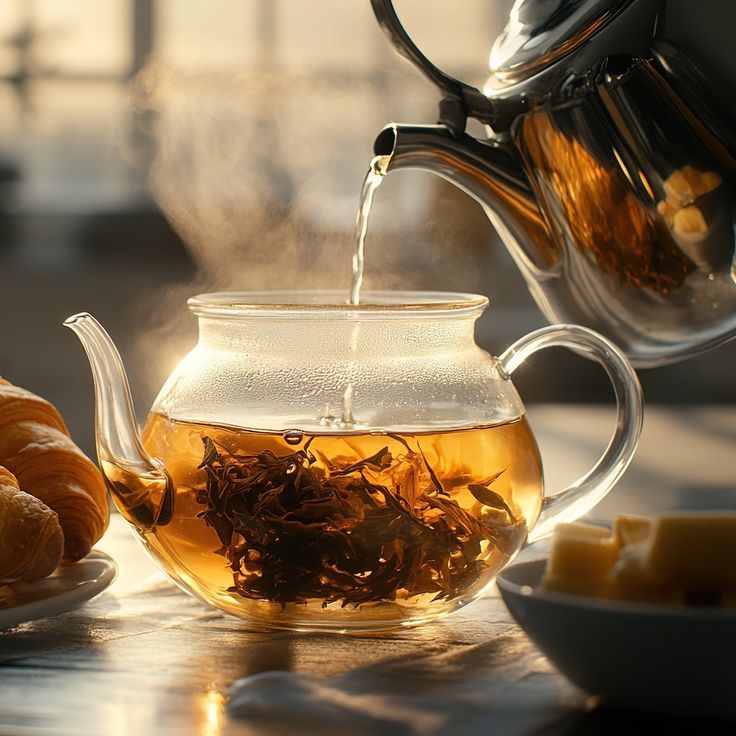
Steeping time has a direct effect on extraction. A study on black tea brewing found that caffeine, gallic acid, and catechins extracted quickly, while total polyphenols and flavonoids continued increasing with time.[4]
This explains why a tea can taste fine at first, then become dry and bitter if left sitting.
| Tea Type | Common Beginner Mistake | Better Starting Point |
|---|---|---|
| Green tea | 3-5 minutes with hot water | 1-2 minutes, or short gaiwan steeps |
| Black tea | Leaving leaves in the cup | 2-3 minutes, then remove leaves |
| Oolong tea | Long first steep | 10-20 seconds in a gaiwan |
| Pu-erh tea | Long steep with too much leaf | Short rinse, then 10-20 second steeps |
| White tea | Using too much leaf and forgetting it | Lower leaf amount for mug brewing |
If your tea becomes bitter halfway through the cup, the leaves probably stayed in the water too long.
Mistake 3: Using Too Much Tea
More tea does not always mean better tea. It means a more concentrated extraction.
| Cup Size | Gentle Daily Tea | Stronger Tea |
|---|---|---|
| 100 ml gaiwan | 3-5 g | 6-8 g |
| 150 ml teapot | 3-4 g | 5-6 g |
| 200 ml mug | 2.5-3.5 g | 4-5 g |
| 300 ml mug | 4-5 g | 6-7 g |
If you are brewing casually in a mug, use less tea than you would for gongfu brewing. Gongfu uses more leaf because the steeping time is much shorter.
A common beginner error is using gongfu-level leaf amounts with Western-style steeping times. That almost always creates bitterness.
Mistake 4: Pouring at One Fixed Point
This is subtle but important.
If you pour water onto the same spot again and again, one part of the tea bed gets over-extracted while the rest remains under-extracted. The result can feel confusing: the first sip tastes heavy, but the cup quickly becomes thin.
A better goal is even wetting.
| Instead of This | Try This |
|---|---|
| Pouring directly into the center every time | Pour around the edge of the vessel |
| Hitting one clump of leaves repeatedly | Use a gentle circular pour |
| Pouring aggressively from high above | Lower the kettle closer to the cup |
| Stirring delicate green tea | Let the leaves open naturally |
The exact direction is less important than the outcome. You are not choosing a lucky angle. You are trying to make extraction even.
Does Pouring Direction Matter?
Many tea drinkers ask whether they should pour from a certain direction, such as the 9 o’clock position or 12 o’clock position.
For everyday brewing, the direction itself is not the main issue.
The important questions are:
| Question | Why It Matters |
|---|---|
| Are all leaves getting wet evenly? | Prevents over-extraction in one spot |
| Is the water hitting the leaves too hard? | Reduces harshness in delicate teas |
| Is the tea bed moving too much? | Controls extraction speed |
| Are you pouring consistently each time? | Makes results repeatable |
Good tea is not just “brewed.” It is released evenly.
Different Teas Need Different Water Movement
The best pouring method depends on the tea’s structure.
Green Tea
Green tea is usually tender and easy to over-extract.
| Recommended Method | Why |
|---|---|
| Low pour | Reduces harsh impact |
| Along the cup wall | Protects delicate leaves |
| Lower temperature | Reduces bitterness and astringency |
| Short steep | Keeps the cup fresh |
Use this approach for Longjing, Biluochun, Maojian, and other delicate green teas.
Black Tea
Black tea is generally more forgiving because it is fully oxidized. It can handle hotter water and slightly stronger pouring.
| Recommended Method | Why |
|---|---|
| Moderate pour | Helps release aroma |
| 90-95°C water | Brings out sweetness and body |
| Remove leaves after steeping | Prevents harshness |
| Avoid very long steeps | Reduces dry finish |
If black tea tastes sour, sharp, or drying, shorten the steep before lowering the temperature.
Oolong Tea
Oolong tea often needs more heat and movement than green tea, especially if the leaves are rolled or roasted.
Research on Tieguanyin oolong found that water-to-tea ratio, temperature, and steeping time significantly affected sensory traits, bitterness-astringency, and chemical composition.[5]
| Oolong Style | Pouring Suggestion |
|---|---|
| Light Tie Guan Yin | Hot water, but avoid long first steeps |
| Roasted oolong | Stronger pour can help wake the tea |
| Wuyi rock tea | High heat, short steeps, fast pour-out |
| Phoenix Dancong | Very quick steeps to avoid sharp bitterness |
| Taiwanese high mountain oolong | Hot water, steady pour, short early infusions |
Oolong often tastes better with more leaf and shorter steeps, not with long soaking.
Pu-erh and other dark teas can also become bitter if the leaf amount is too high or the first steeps are too long.
Quick Fix Table
| Problem | Most Likely Cause | Fix |
|---|---|---|
| Green tea tastes bitter | Water too hot | Use 75-85°C water |
| Tea tastes dry | Too many polyphenols extracted | Shorten steeping time |
| Tea is bitter but weak | Uneven extraction | Pour more evenly, avoid one fixed point |
| Tea is strong and harsh | Too much leaf | Reduce leaf amount |
| Tea smells good but tastes rough | Over-steeped | Pour out earlier |
| Oolong tastes sharp | First steep too long | Use 5-10 second early steeps |
| Black tea tastes sour | Steep too long or water issue | Shorten time and try filtered water |
| Tea tastes harsh no matter what | Broken leaves, poor storage, or low material quality | Try a fresher or better-made tea |
A Simple Experiment You Can Try
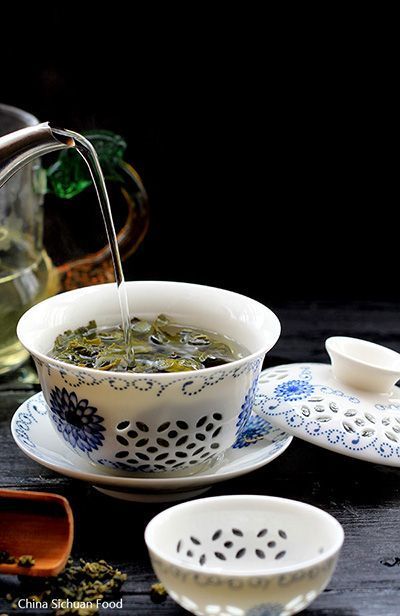
Use the same tea, same water temperature, same cup, and same amount of tea.
Brew two cups:
| Cup A | Cup B |
|---|---|
| Pour directly onto the leaves from higher above | Pour gently along the cup wall |
| Use the same steeping time | Use the same steeping time |
| Taste immediately | Taste immediately |
Then compare:
| What to Notice | Question |
|---|---|
| First sip | Which cup tastes sharper? |
| Mouthfeel | Which cup feels drier? |
| Aroma | Which cup smells stronger? |
| Finish | Which cup tastes sweeter after swallowing? |
This is not a laboratory test, but it is a useful home experiment. It teaches the most important brewing lesson: small changes in water behavior can noticeably change taste.
The Best Beginner Method for Smoother Tea
If your tea often tastes bitter, use this default method:
- Use slightly less tea than you think you need.
- Use cooler water for green tea.
- Pour gently along the vessel wall.
- Avoid hitting one spot repeatedly.
- Shorten the first steep.
- Taste before increasing strength.
- Adjust only one variable at a time.
This method works because it reduces the risk of over-extraction and uneven extraction at the same time.
Final Thoughts
Bitter tea is not always bad tea.
Sometimes it is too much leaf. Sometimes it is water that is too hot. Sometimes it is a steep that went too long. And sometimes, especially with delicate teas, it is simply water hitting the leaves too aggressively or unevenly.
You are not just pouring water. You are deciding how the tea releases itself.
A smoother cup usually comes from one idea: even extraction, not maximum extraction.
References
- Chen Y-H, Zhang Y-H, Chen G-S, Yin J-F, Chen J-X, Wang F, et al. Effects of phenolic acids and quercetin-3-O-rutinoside on the bitterness and astringency of green tea infusion.
- Ye J-H, Ye Y, Yin J-F, Jin J, Liang Y-R, Liu R-Y, Tang P, Xu Y-Q. Bitterness and astringency of tea leaves and products: Formation mechanism and reducing strategies.
- Franks M, Lawrence P, Abbaspourrad A, Dando R. The Influence of Water Composition on Flavor and Nutrient Extraction in Green and Black Tea.
- Fernando CD, Soysa P. Extraction Kinetics of phytochemicals and antioxidant activity during black tea (Camellia sinensis L.) brewing.
- Cao Q-Q, Wang J-Q, Chen J-X, Wang F, Gao Y, Granato D, Zhang X, Yin J-F, Xu Y-Q. Optimization of brewing conditions for Tieguanyin oolong tea by quadratic orthogonal regression design.